

Planning a trip today means navigating shifting travel headlines, fluctuating airfares, and an overwhelming number of booking options. If you’re searching for clear, practical guidance to make smarter travel decisions, you’re in the right place. This article is designed to simplify the process—whether you’re comparing airlines, looking for smarter booking strategies, or refining your flight itinerary planning to save time and money.
We break down what matters most: how to spot real fare deals, avoid common booking mistakes, pack efficiently, and uncover destinations that aren’t already overcrowded. Our insights are grounded in ongoing analysis of airline pricing trends, route changes, and traveler behavior—so you’re not just getting tips, you’re getting context that helps you make confident decisions.
By the end, you’ll have actionable strategies to streamline your next trip, cut unnecessary costs, and travel with less stress and more intention.
Chaos at the airport isn’t bad luck; it’s bad systems. Most travelers think showing up early solves everything. It doesn’t. Without structured flight itinerary planning, you’re just arriving early to confusion.
Here’s the contrarian truth: LESS FLEXIBILITY often means MORE FREEDOM. Lock in decisions sooner, compare fare rules, and track baggage policies (yes, the fine print matters).
• Confirm departure and arrival times 24 hours ahead
• Screenshot boarding passes
• Budget for “hidden” fees like seat selection
According to IATA, delays frequently stem from passenger-side issues, not airlines. Build a checklist, follow it ruthlessly, and travel CALM, not frantic.
Before You Book: Laying the Groundwork for Your Schedule
I used to book flights based purely on price. If it was cheaper, I clicked. That’s how I ended up stranded overnight after a “great deal” red-eye was delayed until morning. Lesson learned.
Choosing the Right Flight Times
Early morning departures statistically face fewer delays because aircraft are already on the ground overnight (U.S. DOT data consistently shows delay creep later in the day). I once swore I’d never wake up at 4 a.m.—until I missed a wedding rehearsal due to an afternoon thunderstorm delay. Red-eyes can save on hotels, sure, but sleeping upright isn’t real rest (no matter what neck pillow ads promise).
Calculating Layovers
I tried a 45-minute domestic layover once. Never again.
- 90 minutes for domestic
- 2–3 hours for international
That’s the sweet spot. Too short is risky; too long feels like you live at Gate C12.
Direct vs. Connecting Flights
Connecting flights can cut costs, but add risk. I’ve saved $150—and lost half a day. Sometimes paying more for nonstop is worth your sanity.
Considering Time Zones
Ignore time zones and you’ll double-book yourself. I landed in Europe at 9 a.m. local time, forgetting my body thought it was 2 a.m. Build recovery time into your flight itinerary planning. Future you will be grateful.
The 48-Hour Countdown: Your Pre-Departure Checklist
The final two days before a trip can feel like the opening scene of a heist movie—organized chaos, high stakes, and zero room for error. Here’s exactly what I recommend you do, and when.
T-48 Hours: The Digital Advantage
Set a calendar alert for the exact moment online check-in opens. Airlines often assign remaining premium or exit-row seats at this stage, and overbooked flights typically bump last-minute check-ins first (U.S. DOT data consistently shows denied boardings spike on full routes). Secure your seat early.
Download your boarding pass and save it to your phone’s wallet app. Screenshots are fine, but wallet storage updates automatically if gates change (and they do).
T-24 Hours: Documents and Packing Precision
Create a physical “go-folder” with:
- Passport or government ID
- Visas (if required)
- Hotel confirmations
- Rental car details
Even in the age of apps, batteries die. Paper doesn’t.
Double-check your carry-on liquids follow TSA’s 3-1-1 rule (3.4 ounces, one quart-size bag, one per passenger). Skip this step and you’ll be the person holding up the line (we’ve all seen it).
T-12 Hours: Lock in Logistics
Confirm airport transportation. If driving, verify your parking booking. If using rideshare, check projected surge pricing and pre-schedule if necessary. Set two alarms—one primary, one backup.
T-8 Hours: Power and Prep
Fully charge all devices and download entertainment for offline access. Airport Wi-Fi is unpredictable.
Pro tip: Build buffer time into your flight itinerary planning. Delays happen—but stress doesn’t have to.
Airport Navigation: A Minute-by-Minute Game Plan
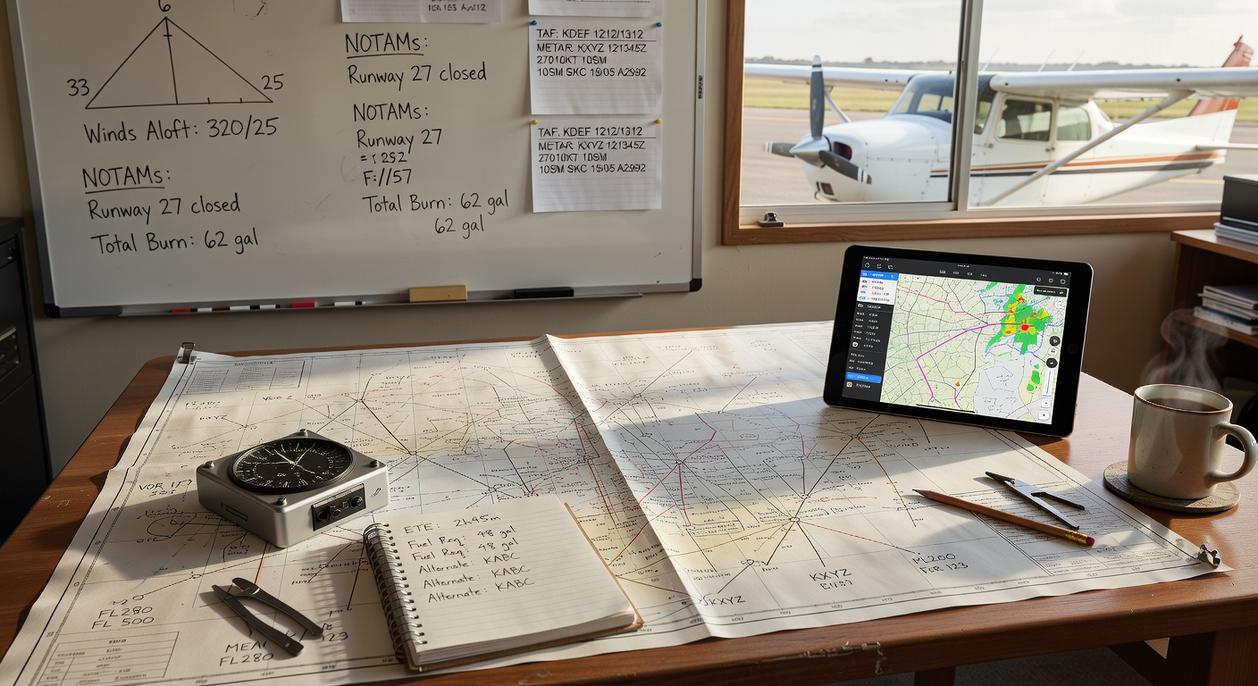
Airports feel chaotic. However, most of that stress disappears when you follow a precise formula.
The “Time to Leave” Formula
Here’s the calculation:
(Travel time to airport) + (30-minute traffic buffer) + (2-hour domestic / 3-hour international airport window) = The exact time you must leave your house.
For example, if the drive takes 40 minutes, you’d plan: 40 + 30 + 120 minutes for a domestic flight. That’s 3 hours and 10 minutes before departure. The 30-minute buffer protects you from traffic spikes (because highways love surprises).
Some travelers argue two hours is excessive. Yet according to TSA data, peak wait times at major U.S. airports can exceed 45 minutes during busy periods (TSA.gov). That cushion isn’t wasted time—it’s risk management.
Deconstructing the Airport Window
That 2–3 hour window has a job:
- 30 minutes for bag drop
- 45–60 minutes for security screening
- 30 minutes to walk to your gate and settle in
Each block supports smoother flight itinerary planning. Cut one short, and the whole schedule wobbles.
The “Gate First” Rule
Once through security, immediately locate your departure gate. This confirms distance, checks for last-minute gate changes, and tells you exactly how much time you truly have left.
Managing Boarding Time
Boarding typically starts 30–45 minutes before departure. Be at your gate before that window opens. After confirming location, grab food or visit the restroom—but stay within a five-minute walk.
For long-haul specifics, review how to calculate the best departure times for long haul flights.
Precision beats panic. Always.
From Touchdown to Taxi: Scheduling Your Arrival
Smart flight itinerary planning doesn’t stop at wheels down. If you’re seated near the back, expect 15–20 minutes just to deplane. On international routes, immigration and customs can stretch to 60–90 minutes during peak waves (yes, when three wide-bodies land at once).
Baggage isn’t instant. Carousels typically take 20–45 minutes to deliver checked bags.
To avoid awkward curbside waiting fees, time ground transport carefully:
- 45 minutes after scheduled landing for domestic flights
- 90 minutes for international arrivals
These buffers translate into smoother exits and fewer surprise charges. Plan ahead, travel calmer.
Transforming Travel Chaos into Clockwork Precision
Travel chaos feels inevitable—especially if you’ve sprinted through ATL’s Concourse D or navigated LAX traffic at 5 p.m. However, anxiety is usually poor planning in disguise. Some argue spontaneity makes trips exciting. Fair. But missing a boarding group because you ignored flight itinerary planning isn’t cinematic—it’s costly (and sweaty).
Instead, structure your day with time blocks:
| Stage | Action | Time Buffer |
|—|—|—|
| Booking | Confirm seat, baggage rules | 48 hrs prior |
| Pre-departure | Online check-in | 24 hrs prior |
| Airport arrival | TSA, gate check | 2 hrs domestic |
Consequently, you replace guesswork with control—and actually enjoy takeoff.
Ready to Travel Smarter on Your Next Trip?
You came here looking for clearer answers about planning flights, avoiding costly mistakes, and making your travel experience smoother from start to finish. Now you have the strategies, tools, and insider tips to make confident decisions every time you book.
Travel stress often starts long before you reach the airport — confusing routes, rising prices, tight connections, and overlooked details can quickly turn excitement into frustration. That’s why mastering flight itinerary planning is so important. When you plan strategically, compare options wisely, and prepare ahead, you protect your time, your budget, and your peace of mind.
Now it’s your move.
Start applying these booking tips on your next search. Double-check routes, optimize layovers, and use smarter comparison strategies before you confirm your ticket. For more up‑to‑date travel headlines, booking insights, and destination inspiration trusted by thousands of savvy travelers, explore our latest guides today.
Your smoother, stress-free trip starts with the choices you make right now — plan smarter and travel better.

 Gavren Vosswyn writes the kind of airline booking tips and destinations content that people actually send to each other. Not because it's flashy or controversial, but because it's the sort of thing where you read it and immediately think of three people who need to see it. Gavren has a talent for identifying the questions that a lot of people have but haven't quite figured out how to articulate yet — and then answering them properly.
They covers a lot of ground: Airline Booking Tips and Destinations, Travel Horizon Headlines, Hidden Gems, and plenty of adjacent territory that doesn't always get treated with the same seriousness. The consistency across all of it is a certain kind of respect for the reader. Gavren doesn't assume people are stupid, and they doesn't assume they know everything either. They writes for someone who is genuinely trying to figure something out — because that's usually who's actually reading. That assumption shapes everything from how they structures an explanation to how much background they includes before getting to the point.
Beyond the practical stuff, there's something in Gavren's writing that reflects a real investment in the subject — not performed enthusiasm, but the kind of sustained interest that produces insight over time. They has been paying attention to airline booking tips and destinations long enough that they notices things a more casual observer would miss. That depth shows up in the work in ways that are hard to fake.
Gavren Vosswyn writes the kind of airline booking tips and destinations content that people actually send to each other. Not because it's flashy or controversial, but because it's the sort of thing where you read it and immediately think of three people who need to see it. Gavren has a talent for identifying the questions that a lot of people have but haven't quite figured out how to articulate yet — and then answering them properly.
They covers a lot of ground: Airline Booking Tips and Destinations, Travel Horizon Headlines, Hidden Gems, and plenty of adjacent territory that doesn't always get treated with the same seriousness. The consistency across all of it is a certain kind of respect for the reader. Gavren doesn't assume people are stupid, and they doesn't assume they know everything either. They writes for someone who is genuinely trying to figure something out — because that's usually who's actually reading. That assumption shapes everything from how they structures an explanation to how much background they includes before getting to the point.
Beyond the practical stuff, there's something in Gavren's writing that reflects a real investment in the subject — not performed enthusiasm, but the kind of sustained interest that produces insight over time. They has been paying attention to airline booking tips and destinations long enough that they notices things a more casual observer would miss. That depth shows up in the work in ways that are hard to fake.