

Ever stared at your boarding pass, bewildered by those cryptic codes like “UA 876” or “EK 203”? You’re not alone. It’s a common problem.
Airline travel can feel like unraveling a mystery with these airline codes flight numbers. I promise, it’s simpler than it looks.
Travel should be exciting, not confusing. You want to get from point A to B without the headache of decoding flight identifiers. This guide will clear the fog.
I’ll break down what these codes really mean, beyond just a list of definitions. You’ll understand your journey, from booking to arrival, with ease.
Why trust this? Well, I’ve got a handle on flight planning and route logistics. By the end of this, you’ll be ready to travel like a pro.
Decoding Aviation: IATA vs. ICAO Codes
When it comes to flying, you might not think about the alphabet soup of airline codes flight numbers that get you from point A to point B. But trust me, they’re important. There are two major systems that airlines rely on for these codes: IATA and ICAO.
IATA codes are what you see on your ticket and baggage tags. They’re short and sweet, usually just two letters. These are for the passengers, the ones we interact with most.
Why? It keeps things simple for booking and travel logistics (like reading your phone screen at the airport).
ICAO codes, on the other hand, are a whole different beast. They’re four letters long and used behind the scenes. Think pilots and air traffic control.
These codes are key for flight planning. But let’s be real (most) travelers never see them unless they’re peeking at flight tracking software (or nerding out on aviation).
Take American Airlines. Its IATA code is AA, nice and straightforward. But the ICAO code?
AAL. Lufthansa gets LH for IATA, DLH for ICAO. British Airways?
BA and BAW. It’s a clear divide in function and use.
For the curious traveler, knowing ICAOs exist can make you feel like an insider when you glimpse those cryptic acronyms. They explain the jargon you might overhear on your next adventure. If you’re fascinated by how airlines operate, you might also enjoy reading about How Airlines Choose New Destinations.
It’s a fascinating topic.
Airline Identifier Decoded: What’s in the Letters?
Airline codes flight numbers. Confusing, right? Let’s break this down.
Those two-letter IATA airline codes (like ‘AA’ for American Airlines) act as an airline’s signature. They’re unique, and some are instantly recognizable while others? Not so much.
Take ‘WN’ for Southwest Airlines, for example. You’d think ‘SW’ would fit, but ‘WN’ has a historical twist. It probably harkens back to quirky marketing days (like ‘We’re Nuts’ or their early routes), which makes air travel history kind of fascinating.
Here’s where it gets tricky: regional carriers. You might see SkyWest operating as United Express, yet they have different identifiers. Spotted that at the gate?
This confusion happens because regionals fly for majors but maintain their own codes. Stay on your toes!
To give you a quick cheat sheet, here are some heavy hitters and their IATA codes:
- Delta Air Lines – DL
- Emirates – EK
- Qantas – QF
- Air France – AF
- Lufthansa – LH
Learning these codes makes you a smarter traveler but also helps when you’re standing at the gate wondering why your ticket says one thing and the plane says another. It’s like knowing the secret language of flight numbers. Pretty handy, right?
Let’s be real. This isn’t just aviation geek talk. It’s practical knowledge you can use on your next trip.
So next time you see a code, remember you’re not just looking at letters. You’re looking at a tiny piece of airline history. Cool, huh?
Decode Your Flight: What Numbers Reveal
Ever looked at your flight ticket and wondered if “AA 123” means more than just your seat to another city? Here’s the scoop: those numbers aren’t just plucked from a hat. They follow a logic that can tell you something about the journey.
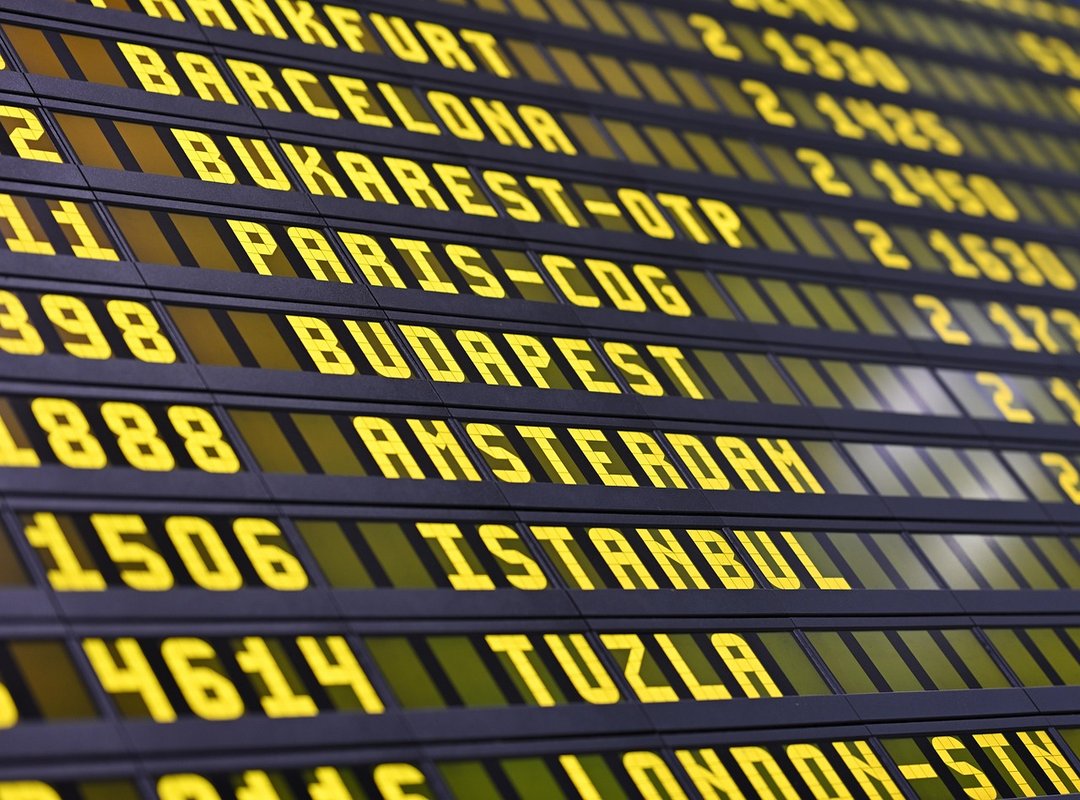
Let’s break it down.
First, think about directionality. If you’re headed east or north, your flight number is probably even. West or south?
Odds are you’ll see an odd number. It’s like the airline’s way of whispering your path in numbers.
Then there’s the prestige factor. Ever notice how some flights have really low numbers? Like Flight 1?
That’s no accident. Airlines often give these low numbers to their premier routes. It’s a nod to their longest-running or most significant paths.
Imagine having a ticket for Flight 1. You’d feel like an insider, right?
Return flights follow a simple pattern too. If you’re on Flight 234 going to your destination, expect to hop on 235 for the way back. Easy to remember, isn’t it?
Now, airlines also categorize flights using number ranges. Mainline flights usually sit between 1 and 999. Regional partners might fall into the 3000-5000 range.
And those mysterious codeshares? They often get numbers above 7000. It’s like a secret code that only frequent flyers crack.
Take a hypothetical flight, UA 882. You might deduce it’s an eastbound trip (even number), possibly a mainline flight given its number range. And there’s more to these codes than meets the eye.
Curious about how these routes are actually planned? Check out Behind Scenes How Flight Routes Planned for a deeper dive.
Next time you book a flight, take a moment to decode those numbers. It’s like having a sneak peek into the airline’s planning game. Who knew airline codes and flight numbers could be this fascinating?
Codeshares & Alliances: When the Ticket Doesn’t Match the Plane
Ever booked a flight and thought, “Wait, this isn’t the plane I signed up for?” You’re not alone. Welcome to the world of codeshare flights. Imagine this: You book a flight on United Airlines.
You’ve got your ticket saying UA 7590 to Frankfurt. You get to the airport and suddenly, you’re boarding a Lufthansa plane. Confusing, right?
That’s a codeshare flight for you. One airline sells a seat, but another operates the actual flight.
This isn’t a sneaky airline trick. It’s a plan born from airline alliances like Star Alliance, Oneworld, and SkyTeam. Codesharing allows airlines to extend their reach without flying their planes everywhere.
It’s like borrowing a friend’s car to travel where yours can’t take you. But unlike borrowing cars, you can’t just drive a plane.
Your ticket might say one thing, but the airline code and flight numbers will tell the full story. It’s usually tucked in the fine print, trying to hide like a shy cat.
So how do you catch these codeshare flights before they catch you off guard? Look out during booking for the phrase “Operated by…”. If you see it, that’s your clue.
Why does this matter? Well, knowing who’s behind the wheel (or cockpit in this case) helps with everything from check-in to baggage claims. It’s like knowing whether you’re attending a family dinner or a friend’s barbecue.
Expectations change, right?
Pro tip: Check the terminal and gate info on the airline’s website closer to your departure. There, now you’re ready for your next adventure. Enjoy the flight, even if the plane isn’t what you expected.
Decode Your Next Flight with Ease
Confusion over airline codes flight numbers is a thing of the past. Travel’s already a puzzle, right? Why let ticket details add to the mess?
Now, you’re armed and ready. You know how to read those cryptic airline identifiers. You’re not just a traveler anymore; you’re a savvy navigator.
So, what’s next? Use this knowledge. Check your next flight.
Dive into more advanced travel strategies. Need help planning your next journey? We’re here.
Your travel experience just got smarter, and a bit less chaotic. Ready to take off with confidence? Explore.
Learn. Conquer your travel world.

 Gavren Vosswyn writes the kind of airline booking tips and destinations content that people actually send to each other. Not because it's flashy or controversial, but because it's the sort of thing where you read it and immediately think of three people who need to see it. Gavren has a talent for identifying the questions that a lot of people have but haven't quite figured out how to articulate yet — and then answering them properly.
They covers a lot of ground: Airline Booking Tips and Destinations, Travel Horizon Headlines, Hidden Gems, and plenty of adjacent territory that doesn't always get treated with the same seriousness. The consistency across all of it is a certain kind of respect for the reader. Gavren doesn't assume people are stupid, and they doesn't assume they know everything either. They writes for someone who is genuinely trying to figure something out — because that's usually who's actually reading. That assumption shapes everything from how they structures an explanation to how much background they includes before getting to the point.
Beyond the practical stuff, there's something in Gavren's writing that reflects a real investment in the subject — not performed enthusiasm, but the kind of sustained interest that produces insight over time. They has been paying attention to airline booking tips and destinations long enough that they notices things a more casual observer would miss. That depth shows up in the work in ways that are hard to fake.
Gavren Vosswyn writes the kind of airline booking tips and destinations content that people actually send to each other. Not because it's flashy or controversial, but because it's the sort of thing where you read it and immediately think of three people who need to see it. Gavren has a talent for identifying the questions that a lot of people have but haven't quite figured out how to articulate yet — and then answering them properly.
They covers a lot of ground: Airline Booking Tips and Destinations, Travel Horizon Headlines, Hidden Gems, and plenty of adjacent territory that doesn't always get treated with the same seriousness. The consistency across all of it is a certain kind of respect for the reader. Gavren doesn't assume people are stupid, and they doesn't assume they know everything either. They writes for someone who is genuinely trying to figure something out — because that's usually who's actually reading. That assumption shapes everything from how they structures an explanation to how much background they includes before getting to the point.
Beyond the practical stuff, there's something in Gavren's writing that reflects a real investment in the subject — not performed enthusiasm, but the kind of sustained interest that produces insight over time. They has been paying attention to airline booking tips and destinations long enough that they notices things a more casual observer would miss. That depth shows up in the work in ways that are hard to fake.