
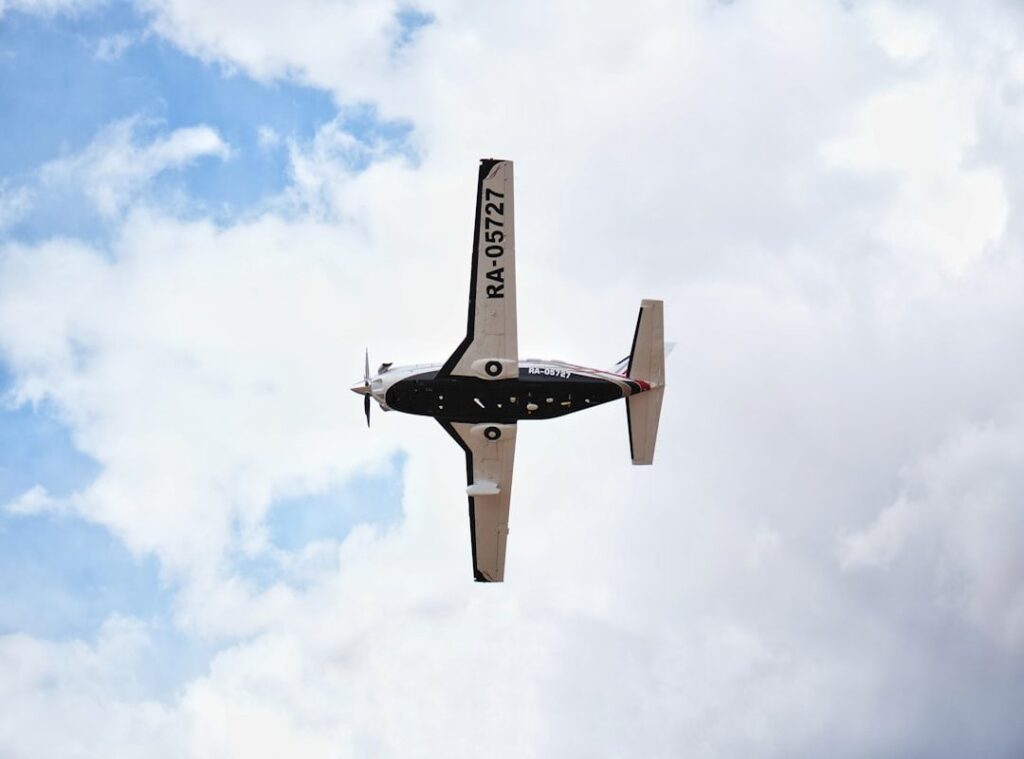
Ever looked at an in-flight map and wondered why your plane zigzags across the sky instead of shooting straight to your destination? You’re not alone. Many travelers find themselves puzzled by these mysterious flight routes planned.
Why does it seem like your plane is taking the scenic route when all you want is to land on time?
Most of us just sit there, passive, unaware of the complex systems that decide our path. I’ve dug into the logistics behind it all. It’s a tangled web, but it’s also fascinating.
Understanding this can change your perspective on air travel entirely.
By the end of this guide, you won’t just be a passenger. You’ll be an informed adventurer, ready to decode the skies. to why planes fly the way they do.
Beyond the Straight Line: Decoding Flight Paths
When you think “flight path,” picture a flexible, three-dimensional corridor in the sky. It’s not a single road but a route optimized for safety, speed, and fuel efficiency. You might wonder how these flight routes planned aren’t just straight lines.
Well, they’re more like an art form.
Consider the ‘Great Circle Route.’ Imagine stretching a string between two points on a globe. On a flat map, it looks like an arc, but it’s actually the shortest path on a sphere. This is a fundamental concept that pilots and airlines rely on daily.
It’s like finding shortcuts in the sky.
Then, there are jet streams. Those solid “rivers of wind” way up there. Picture this: flying with a tailwind (like West to East) can make your flight dramatically quicker.
But fighting a headwind? That can slow you down a lot. It’s a real-world game of give and take.
Learning to “read the map” of the sky isn’t just for pilots. As travelers, knowing why your flight might take a certain route gives you an insider’s perspective. Ever wondered why some flights seem longer than others even on similar routes?
Now you know.
For those curious about how airlines chart these paths and more, this guide offers deeper takeaways. It’s a fascinating process, a dance of logistics and meteorology. So next time you fly, remember: it’s not just about getting from point A to B.
It’s about navigating the unseen highways up there.
The Unseen Forces That Bend Your Route
Ever notice how your flight path seems to zigzag across the map? It’s not just for fun. The flight routes planned are constantly being tweaked to dodge all sorts of trouble.
Weather is a big player here. Pilots and dispatchers have to be on their toes. They’re actively plotting courses to avoid major storm systems, areas of severe turbulence, and even volcanic ash clouds.
Imagine flying into a thunderstorm (not) ideal. I once heard of a flight that had to detour hundreds of miles around a giant storm. Extra time in the air means more fuel and, you guessed it, higher ticket prices.
Then there’s Air Traffic Control (ATC). These guys keep the skies from turning into chaos. The sky is like a giant chessboard, with sectors managed by controllers.
They keep planes safely apart. No-fly zones over military bases or key infrastructure add more twists to the plan. A plane getting too close to a no-fly zone could cause a serious headache for everyone on board.
Geopolitics, surprisingly, also plays a role. International conflicts can force airlines to reroute. You might think, “What does a political dispute have to do with my vacation?” Well, if a country closes its airspace, flights have to take the long way around.
That means longer flight times and possibly pricier tickets.
All these factors mean your flight is rarely a straight shot. But don’t let that stop you. You can still find cheap flights worldwide & book your ticket despite these unseen forces.
Plan smart and take the detours in stride. Because let’s face it, the sky is one crowded place.
From Blueprint to Reality: Navigating Flight Paths
Ever wondered how those detailed flight routes planned on your ticket become reality? Let me take you through it.

First, it’s all about pre-flight planning. Picture airline dispatchers as puppet masters. They use advanced software to juggle dozens of potential routes.
Fuel costs, weather, and air traffic control (ATC) quirks all come into play. You think choosing a Netflix show is tough? Try picking a flight path.
Once they nail the route, they don’t just hit “send.” Nope. The proposed path is submitted to air traffic authorities. It’s like trying to get that VIP concert ticket approved.
Only when it’s stamped can the flight actually depart.
Now, let me burst a bubble (that) plan is far from stone. It’s more like a Google Doc, always open to edits. Why?
Because the sky is as unpredictable as your aunt’s holiday plans. Pilots dance a delicate ballet with ATC, requesting minor deviations to dodge turbulence or snag a shortcut if the skies allow.
These adjustments make flight planning seem less like a set formula and more like jazz. Adaptable and spontaneous. If you ever wondered about the spaghetti of airline codes, you’ll find a deep dive in “Decoding Airline Codes Flight Numbers”.
This whole process is a human ingenuity. It’s all about turning a mind-boggling blueprint into a smooth reality. Next time you’re cruising at 35,000 feet, take a moment.
Appreciate the complex dance bringing you from A to B.
Your Flight Path Toolkit: Smarter Traveler Tips
Flying can be a puzzle. But you don’t have to be a passive passenger anymore. You can be the detective of your own journey.
Ever wondered why your flight took a different route? Or why it landed earlier than expected? Knowing your flight routes planned can turn you into a savvy traveler.
Flight tracking tools like Flightradar24 or FlightAware are your best friends. They show you the planned versus actual routes, altitude, and ground speed. Why care?
Because this data gives you power. See where your inbound plane is. If it’s stuck over another city, you know why you’re delayed.
And if your flight arrives early? A strong tailwind might be to thank.
Here’s a pro tip: Use this info to make your flight an interactive geography lesson. Follow along with the map. You might just learn something new about the world below.
This isn’t just about flights. It’s about understanding the skies.
When you’re booking travel, think about prevailing winds. Flights from New York to London are usually shorter than the return. Why?
Those winds push you across the Atlantic faster. Knowing this helps manage your travel expectations. You won’t be surprised when your return flight takes longer.
So, next time you fly, dive into the data. Understand your journey. Make it an adventure.
You’re not just a passenger. You’re a participant in the skies. And who doesn’t want a little more control over their travel?
With these tools, you can be the pilot of your own experience.
Take Flight With Clarity
I used to sit in a plane, watching dots on a screen and feeling lost. But now, with flight routes planned, I’ve got the map in my hands. I’m no longer a passive passenger.
Knowing the planned paths means understanding the art in each journey. It’s empowering. I see the precision and complexity behind every turn.
Ready to fly with this newfound insight? Dive into the skies with confidence. Explore more with our expert travel guides.
Plan your next adventure today. Don’t just sit there; make your skies come alive. Visit ttweakairline.com.co and start your journey.

 Thelma Lusteraders is the kind of writer who genuinely cannot publish something without checking it twice. Maybe three times. They came to airline booking tips and destinations through years of hands-on work rather than theory, which means the things they writes about — Airline Booking Tips and Destinations, Travel Horizon Headlines, Hidden Gems, among other areas — are things they has actually tested, questioned, and revised opinions on more than once.
That shows in the work. Thelma's pieces tend to go a level deeper than most. Not in a way that becomes unreadable, but in a way that makes you realize you'd been missing something important. They has a habit of finding the detail that everybody else glosses over and making it the center of the story — which sounds simple, but takes a rare combination of curiosity and patience to pull off consistently. The writing never feels rushed. It feels like someone who sat with the subject long enough to actually understand it.
Outside of specific topics, what Thelma cares about most is whether the reader walks away with something useful. Not impressed. Not entertained. Useful. That's a harder bar to clear than it sounds, and they clears it more often than not — which is why readers tend to remember Thelma's articles long after they've forgotten the headline.
Thelma Lusteraders is the kind of writer who genuinely cannot publish something without checking it twice. Maybe three times. They came to airline booking tips and destinations through years of hands-on work rather than theory, which means the things they writes about — Airline Booking Tips and Destinations, Travel Horizon Headlines, Hidden Gems, among other areas — are things they has actually tested, questioned, and revised opinions on more than once.
That shows in the work. Thelma's pieces tend to go a level deeper than most. Not in a way that becomes unreadable, but in a way that makes you realize you'd been missing something important. They has a habit of finding the detail that everybody else glosses over and making it the center of the story — which sounds simple, but takes a rare combination of curiosity and patience to pull off consistently. The writing never feels rushed. It feels like someone who sat with the subject long enough to actually understand it.
Outside of specific topics, what Thelma cares about most is whether the reader walks away with something useful. Not impressed. Not entertained. Useful. That's a harder bar to clear than it sounds, and they clears it more often than not — which is why readers tend to remember Thelma's articles long after they've forgotten the headline.