
Planning an international trip is exciting—until you start worrying about whether you’ve packed the right documents. Missing just one critical paper can turn a smooth airport experience into a stressful delay. That’s why having a reliable international flight document checklist is essential before you even step foot in the terminal.
Travelers searching for clarity want more than a basic list—they want to know exactly what’s required, what’s optional, and what could cause issues at immigration or boarding. This article breaks down every key document you may need, from passports and visas to health declarations and transit requirements, so you can travel with confidence.
Our guidance is built on up-to-date airline policies, current border regulations, and real-world travel scenarios that frequently catch passengers off guard. By the end, you’ll know precisely what to prepare, how to organize it, and how to avoid last-minute surprises at the airport.
International travel doesn’t forgive forgetfulness—especially at check-in. Use this international flight document checklist before you leave:
- Passport valid at least six months beyond return date (many countries require this rule).
- Visa or electronic travel authorization (an online pre-approval linked to your passport).
- Boarding pass and government-issued ID.
- Proof of onward travel and accommodation.
Some argue digital copies are enough. They’re not. Airlines can demand originals. Pro tip: store encrypted cloud backups and printed duplicates in separate bags. Real-world example: travelers denied boarding over missing visas lose nonrefundable tickets. Double-check embassy websites 72 hours before departure.
The Non-Negotiable Trio: Passport, Visa, and Tickets
International travel runs on three essentials. Miss one, and your trip can unravel before you reach security (and no one wants their vacation to end at the check-in counter).
1. Passport Validity: The Six-Month Rule Explained
Having a passport isn’t enough. Many countries require it to be valid for at least six months beyond your planned departure date. This “Six-Month Rule” protects countries from hosting travelers who might overstay due to expired documents. According to the U.S. Department of State, numerous destinations in Asia and Europe enforce this policy.
Some argue this rule feels outdated in a digital age. But airlines follow destination entry laws strictly—because if you’re denied entry, they foot the bill to fly you back. The benefit of checking early? Zero last-minute panic and smoother boarding. Review your expiration date now and renew through your government’s official passport agency if you’re within nine months of expiry (processing delays are more common than you think).
2. Visa Requirements: The Most Common Stumbling Block
Visa rules vary by nationality and destination. Always confirm requirements via official embassy or consulate websites.
- Visa-on-arrival: Issued when you land.
- E-visa: Applied for online before travel.
- Pre-approved visa: Secured in advance, often stamped in your passport.
While some travelers rely on blogs, official sources reduce costly mistakes. The payoff? Confident entry and fewer airport interrogations (nobody enjoys surprise paperwork).
3. Airline Tickets & Boarding Passes: Digital vs. Print
Keep your confirmed itinerary and booking reference accessible. Store a digital copy on your phone and carry a printed backup. Technology fails; paper doesn’t. Following a simple international flight document checklist ensures faster check-ins, smoother transfers, and total peace of mind.
Destination-Specific Documents: Beyond the Basics
So, you’ve packed your bags and triple-checked your passport. Great start. But some countries want a little more reassurance before they roll out the welcome mat.
Proof of Onward Travel is exactly what it sounds like: evidence you plan to leave. This could be a return ticket or a confirmed flight to another country. Immigration officers use it to prevent overstays (no one wants an unexpected sequel to your vacation). Countries like Thailand and Brazil have been known to ask for this. If you’re unsure, review your international flight document checklist before departure.
Next, Proof of Accommodation helps verify you’re not planning to “wing it” on arrival. A hotel confirmation works perfectly. Staying with friends? Bring a signed invitation letter and their address. It’s about showing you have a plan.
Then there’s Proof of Sufficient Funds—bank statements, credit card limits, or recent pay slips. Officials simply want to know you can support yourself. According to the European Commission, Schengen countries may require evidence of daily spending funds.
Planning to drive? An International Driving Permit (IDP) translates your license into multiple languages. Many car rental agencies require it alongside your original license.
Before booking, learn how to use flight planning tools to compare routes efficiently: https://ttweakairline.com.co/how-to-use-flight-planning-tools-to-compare-routes-efficiently/ (pro tip: flexibility saves money).
Health & Medical Documentation: Your Global Safety Net
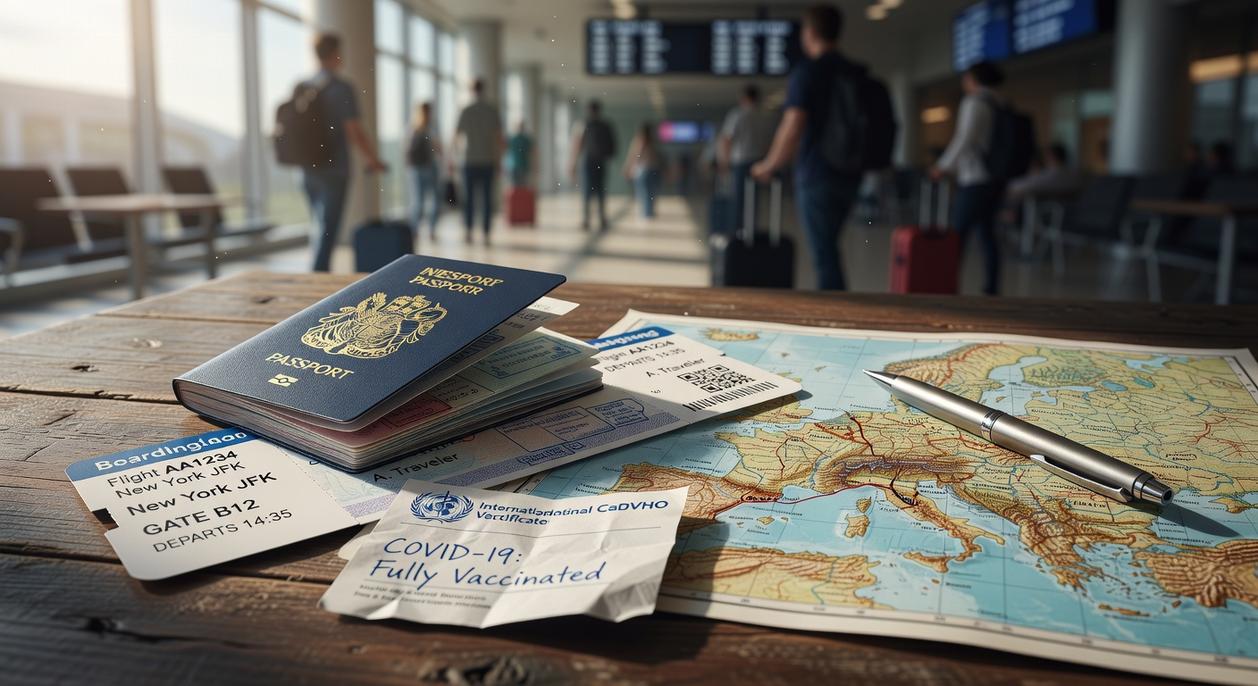
Health paperwork might feel excessive—until you need it. Back in 2016, several countries tightened Yellow Fever entry rules within months of outbreaks, catching unprepared travelers off guard (WHO). That’s why the International Certificate of Vaccination or Prophylaxis (ICVP)—the official “yellow card” recognized worldwide—matters. Always confirm country requirements through the WHO or CDC websites before departure.
Some argue digital records are enough. Sometimes they are. But border agents don’t always accept screenshots (and Wi-Fi isn’t guaranteed at 2 a.m.).
- Vaccination Certificates: Carry your ICVP if required.
- Travel Insurance Information: Bring a copy of your policy, including the policy number and 24/7 emergency contact line.
- Prescription & Doctor’s Note: Keep medication in original packaging with a signed doctor’s letter—especially for controlled substances.
Add these to your international flight document checklist. Pro tip: review everything 72 hours before departure to avoid last-minute surprises.
Special Scenarios: Minors, Pets, and One-Way Tickets
I once watched a family miss a flight because one parent assumed “it’ll be fine” without paperwork. It wasn’t.
Traveling with Minors requires more than passports. If a child is flying with only one parent (or another adult), a signed and notarized parental consent form is often mandatory. Notarized means officially certified by a public officer to prevent fraud. Some countries also request a birth certificate to confirm the relationship. According to U.S. Customs and Border Protection, this helps prevent child abduction cases.
Traveling with Pets adds another layer. Most destinations require a pet passport (an official record of vaccinations), updated rabies shots, and a recent veterinary health certificate. The EU, for example, enforces strict pet entry rules (European Commission).
One-Way Travel sounds adventurous—until border control asks for proof of onward travel. Without it, you could be denied entry. A fully refundable ticket is a practical workaround (pro tip). Always review your international flight document checklist before departure.
Cleared for Takeoff: Your Final Document Check
Start with an anecdote about standing at the check-in counter while an agent asks for a visa I thought I had packed. I once watched a fellow traveler miss a flight over a missing transit form, and ever since, I follow a system.
First, gather your essentials: passport, boarding pass, ID, and that international flight document checklist. Next, review destination-specific requirements like visas or entry declarations. Then, organize health paperwork—vaccination records, insurance cards, prescriptions. Finally, cover special cases such as pet certificates or parental consent letters.
However, paper alone isn’t enough. Create digital backups in cloud storage and email copies to yourself.
Create a dedicated travel folder—both physical and digital—and use this checklist to tick off each item one week before your flight. Now you’re truly ready to fly.
Ready for Takeoff With Total Confidence
You came here to make sure you’re fully prepared for your international trip — and now you know exactly what to do. From passports and visas to backup copies and entry requirements, you’ve seen how a simple oversight can turn into a major travel headache.
International travel isn’t stressful because of the flight — it’s stressful when documents are missing, rules are unclear, or you’re scrambling at the airport. That’s why following a clear international flight document checklist is the smartest way to protect your time, money, and peace of mind.
Now it’s your move: review your documents today, confirm entry requirements for your destination, and organize everything in one secure, accessible place. Don’t wait until check-in to discover a problem.
Want smoother trips every time? Get expert-backed travel tips, packing hacks, and booking strategies trusted by thousands of savvy travelers. Start planning smarter now and travel with zero last-minute surprises.