
Air travel is changing faster than most passengers realize. From smarter booking systems to seamless airport experiences, today’s travelers want to understand how innovation is shaping the way they plan, board, and fly. If you’re searching for clear, practical insights into air travel technology advancements, this guide is built to give you exactly that—without the jargon or hype.
In this article, you’ll discover how emerging tools are improving flight efficiency, streamlining security, enhancing in‑flight comfort, and transforming the overall passenger journey. We break down what these changes actually mean for your next trip, whether you’re a frequent flyer or planning a once‑a‑year getaway.
To ensure accuracy, we analyzed recent industry reports, airline technology updates, and expert commentary from aviation analysts. The result is a focused, up‑to‑date look at the innovations redefining modern air travel—and how you can use them to travel smarter.
The End of the Airport Line: How Tech is Reshaping Your Journey
Remember the last time you stood in a snaking security line, shoes in hand, wondering if you’d make boarding? Sound familiar? For decades, air travel meant friction—lost luggage, delayed updates, and that low hum of uncertainty. However, air travel technology advancements are quietly rewriting the script. Biometric check-ins now match your face to your passport in seconds (no frantic pocket searches), while AI-powered baggage tracking texts you before you even ask. Meanwhile, sustainable aviation fuels are cutting emissions without grounding growth. What if travel simply flowed for you?
From Your Couch to the Gate in Record Time
Imagine leaving your house later than usual—and still arriving at your gate early. Thanks to air travel technology advancements, that scenario is quickly becoming normal.
Biometric Identity & The Walk-Through Airport
Biometric identity uses unique physical traits—like your face or fingerprints—to verify who you are. Instead of juggling a passport and boarding pass, your face becomes your credential. Cameras scan, match your encrypted digital ID, and you move forward without stopping.
As a result, security lines shrink and boarding becomes seamless. The U.S. Customs and Border Protection facial comparison program, for example, reports match rates above 97% in testing (CBP.gov). That accuracy translates to speed—and less stress.
What’s in it for you?
- Shorter security and boarding lines
- Fewer documents to manage
- Reduced risk of lost or misplaced papers
In other words, you spend more time relaxing and less time shuffling forward inch by inch (we’ve all done the awkward half-step dance).
AI-Powered Flight Planning & Booking
Artificial intelligence now analyzes millions of data points—weather patterns, historical delays, aircraft turnaround times—to predict disruptions before they happen. Platforms can suggest smarter layovers, alternative airports, or hidden routes that save both time and money.
According to a 2023 McKinsey report, AI-driven optimization can reduce airline operational disruptions by up to 30%. For travelers, that means fewer missed connections and better-planned itineraries.
Real-Time Baggage Tracking
Meanwhile, RFID (radio-frequency identification) and GPS-enabled luggage tags let you monitor your bag’s journey from check-in to carousel. If it’s loaded, transferred, or delayed, you see it in your app instantly.
The benefit is simple: confidence. You land knowing exactly where your suitcase is—and that peace of mind is priceless.
A Greener, Quieter, and More Connected Cabin
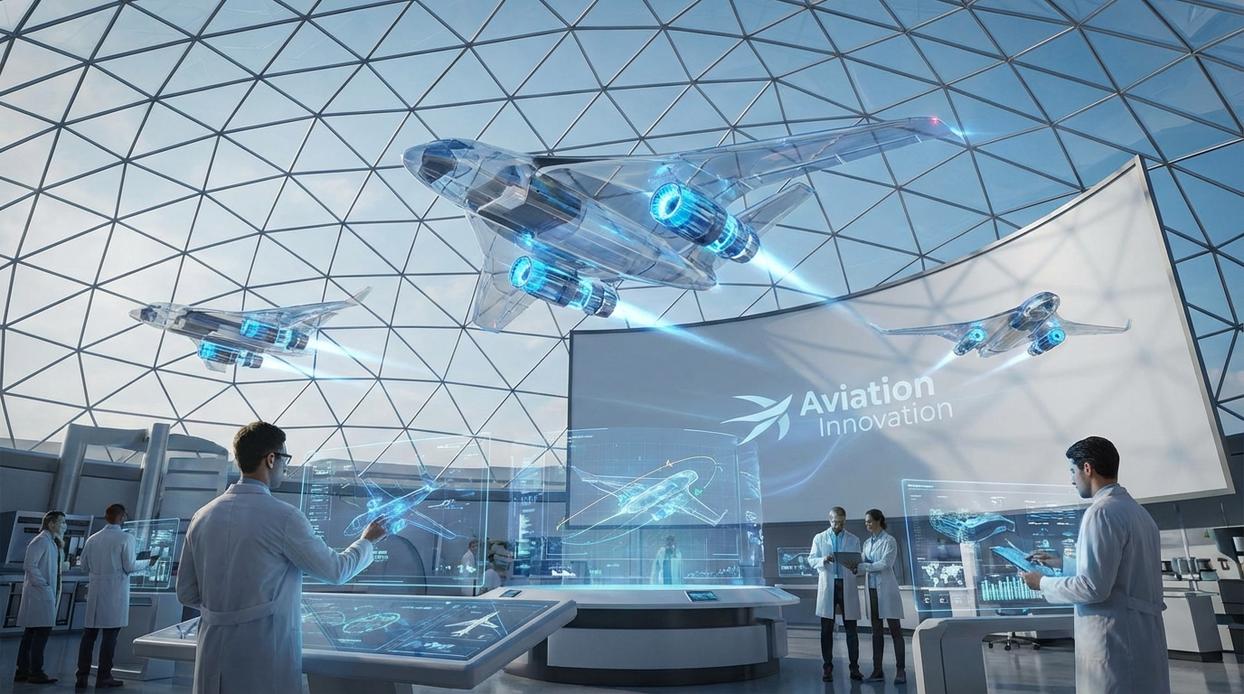
The Rise of Sustainable Aviation Fuels (SAFs)
Sustainable Aviation Fuels (SAFs) are alternative jet fuels made from renewable sources such as used cooking oil, agricultural waste, algae, and even municipal solid waste. Unlike conventional jet fuel refined from crude oil, SAFs are designed to be “drop-in fuels,” meaning they work with existing aircraft engines and airport infrastructure. That compatibility matters.
Here’s the impact: SAFs can reduce lifecycle carbon emissions by up to 80% compared to traditional jet fuel, depending on the feedstock and production method (International Air Transport Association). Critics argue that SAF supply is still limited and production costs remain high. That’s true. But scaling typically lowers cost over time—solar panels followed the same curve (and look where we are now).
The near-term win is simple: lower emissions without waiting decades for entirely new aircraft designs. My prediction? By 2030, SAF blends will become standard on major global routes, not a niche sustainability experiment.
Next-Generation Cabin Design & Comfort
Modern cabins are being reimagined with lighter composite materials—advanced engineered substances that reduce aircraft weight and improve fuel efficiency. Less weight equals less fuel burn (physics wins again).
Dynamic LED lighting systems now mimic natural daylight cycles, helping regulate circadian rhythms—the body’s internal clock. Studies suggest strategic lighting can reduce perceived jet lag and fatigue (Harvard Medical School). Add advanced HEPA air filtration systems that remove 99.97% of airborne particles (U.S. EPA), and you get cleaner, healthier cabin air.
Skeptics say comfort upgrades are just marketing. But when you step off a long-haul flight feeling functional instead of foggy, it’s hard to dismiss.
True High-Speed Connectivity
The biggest shift may come from low-earth orbit (LEO) satellite networks. Unlike older geostationary satellites, LEO systems orbit closer to Earth, reducing latency (the delay between sending and receiving data). Translation: faster, more reliable Wi-Fi from gate to gate.
This evolution in air travel technology advancements means seamless streaming, real-time video calls, and productive work sessions at 35,000 feet. If you’re watching the broader picture, these upgrades align with the top travel trends shaping 2026—where sustainability, wellness, and constant connectivity define the journey as much as the destination.
Will every airline adopt these changes at the same pace? Probably not. But the trajectory is clear: flying is becoming greener, quieter, and digitally seamless—and that future is closer than many think.
The Supersonic Return and the Zero-Emission Horizon
The Rebirth of Supersonic Travel
Supersonic flight is no longer a relic of the Concorde era. Companies like Boom Supersonic and NASA-backed ventures are designing jets that promise New York to London in under four hours—without the thunderous sonic booms that once rattled cities (and regulators). These aircraft aim to be quieter and up to 100% powered by sustainable aviation fuel, addressing the Concorde’s biggest criticism: fuel inefficiency (ICAO, 2023).
Skeptics argue that supersonic tickets will be outrageously expensive and environmentally questionable. That’s fair. Early adoption will likely skew premium. But remember how flat-screen TVs and business-class lie-flat seats started—luxury first, then mainstream. If development continues, economies of scale could follow. Pro tip: watch for limited transatlantic routes first; that’s where demand and margins align.
Electric & Hydrogen Propulsion
Looking further ahead, electric and hydrogen-powered aircraft represent the holy grail of zero-emission regional travel. Airbus and ZeroAvia are testing hydrogen concepts targeting entry into service in the 2030s (Airbus, 2024). Electric propulsion—meaning aircraft powered by battery-stored electricity—is already in short-hop testing phases.
Critics point to battery weight and hydrogen infrastructure gaps. True, today’s batteries lack the energy density for long-haul routes. But for short regional flights? The math is improving yearly thanks to rapid air travel technology advancements. Think quieter cabins, lower operating costs, and near-silent takeoffs (your window seat conversation just got easier).
Hyper-Personalization in the Sky
AI-driven personalization will reshape cabins. With passenger consent, airlines can pre-set seat recline preferences, suggest meals based on dietary history, and curate entertainment (yes, it will remember you binged sci-fi last trip). Some worry about data privacy. That’s valid. Transparent opt-ins and encryption must be standard. Done right, though, flying becomes less one-size-fits-all—and more like your favorite streaming platform at 35,000 feet.
What This Means for Your Next Flight
The stress of legacy travel used to feel inevitable. I once ignored early check-in apps and paid for it with a missed connection and a long night on airport carpet. That mistake taught me how quickly air travel technology advancements are reshaping the journey. Data-driven systems now predict delays, streamline security, and personalize boarding. They replace guesswork with clarity.
- Choose airports using biometrics and real-time updates.
As you plan your next trip, look for carriers investing in smart gates and transparent apps. Your journey improves, and the industry learns what travelers reward with loyalty.
Ready to Travel Smarter and Stress-Free?
You came here looking for clearer guidance on navigating today’s ever-changing travel landscape — from smarter booking strategies to discovering hidden destination gems. Now you have the insights to plan with confidence, avoid common travel pitfalls, and take advantage of the latest air travel technology advancements shaping modern journeys.
Travel can feel overwhelming — fluctuating fares, confusing policies, and crowded airports make even simple trips stressful. But with the right knowledge and tools, you can turn those frustrations into smooth, well-planned experiences that save you time and money.
The next step is simple: stay informed and start applying these strategies to your upcoming trips. Check flight trends early, leverage smart planning tools, and explore lesser-known destinations before they become mainstream.
Thousands of savvy travelers rely on our trusted travel insights to book smarter and travel better. Don’t let confusion or rising costs hold you back.
Start planning your next trip today — use these tips, book strategically, and make your next journey your easiest one yet.