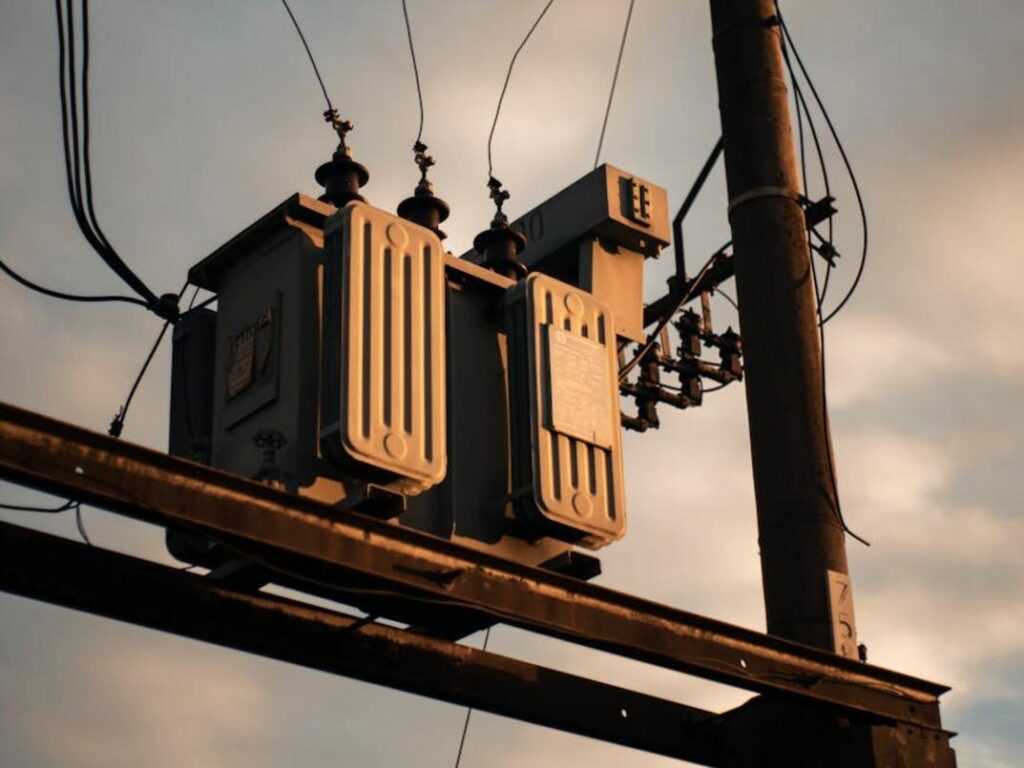

Behind the Scenes: Airside and Operational Efficiency Upgrades
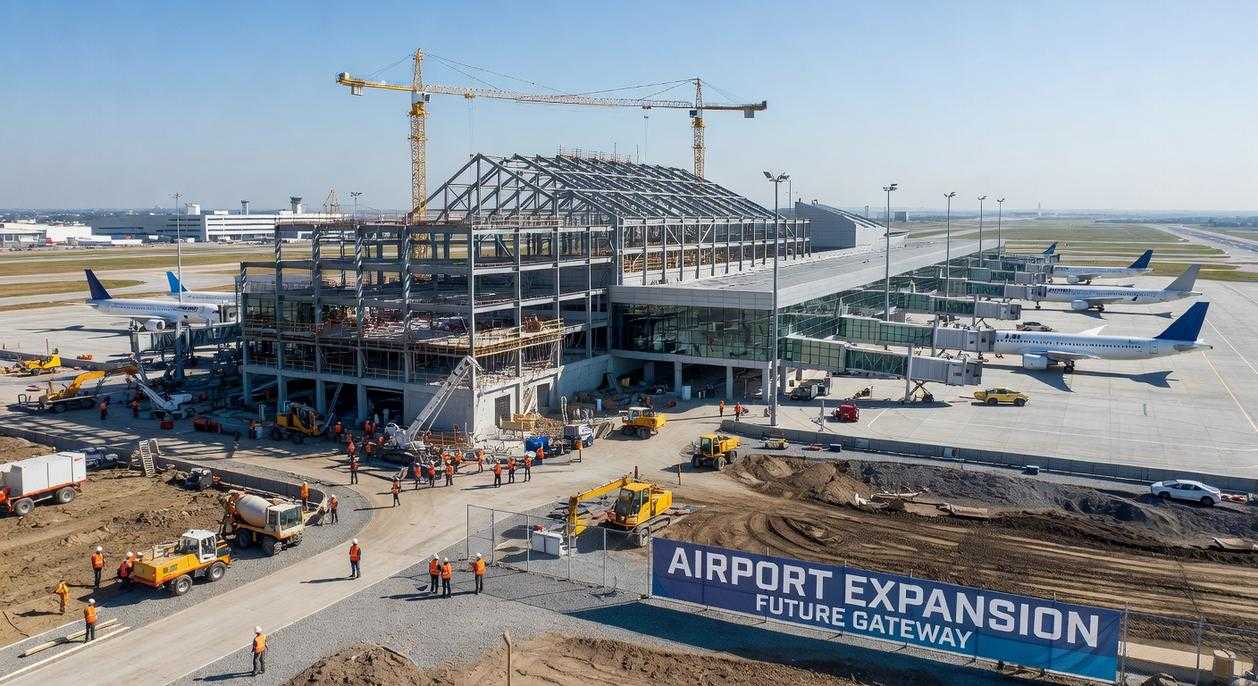
When travelers complain about delays, they usually blame the airline. In my view, the real story often starts on the ground—specifically on the airside (the portion of the airport where aircraft operate, including runways, taxiways, and ramps).
New Runways and Taxiways
Adding or extending runways isn’t just about bigger planes; it’s about capacity. A runway is essentially an airport’s main artery. More of them—or smarter layouts—mean more takeoffs and landings per hour. Taxiways (the paths aircraft use to move between gates and runways) reduce bottlenecks when designed efficiently. According to the FAA, optimized runway configurations can significantly increase hourly aircraft movements at major hubs (FAA Capacity Reports). Some argue airport expansion projects are too costly and disruptive. Fair. But when congestion causes cascading delays across entire regions, the investment starts to look less optional and more inevitable.
Digital Air Traffic Control Towers
Digital towers use high-definition cameras and real-time data feeds to give controllers a 360-degree, zoom-enabled view of the airfield. In poor weather, enhanced imaging can outperform the naked eye (EUROCONTROL studies). I’m convinced this is one of the smartest upgrades happening right now—like giving controllers superhero vision, minus the cape.
Advanced Gate Management Systems
AI-powered gate management systems analyze arrival times, aircraft size, and crew schedules to optimize assignments. The result?
- Reduced taxiing time
- Faster aircraft turnarounds
- Fewer ground delays
Pro tip: Shorter taxi times don’t just save minutes—they cut fuel burn and emissions, too.
Automated Ground Support Equipment
Robotic baggage carts and electric tugs are quietly transforming ramps. These systems improve safety (fewer human-driven collisions), speed up loading, and reduce carbon output. Some skeptics worry about job displacement. That concern is real—but automation often shifts roles toward oversight and maintenance rather than eliminating them entirely (IATA sustainability briefings).
If you’re curious how these upgrades tie into broader industry shifts, explore global travel trends shaping 2026 what travelers should expect.
Behind every on-time departure is a surprisingly high-tech dance happening out of sight—and in my opinion, it’s long overdue.
Your Future Flight: Faster, Smoother, and More Reliable
Air travel is entering a new era.
Across the globe, airport expansion projects are reshaping terminals, runways, and control systems to handle more passengers with greater efficiency. What was once reactive growth is now a strategic transformation focused on capacity, technology, and smoother operations.
If you’ve ever stood in a security line that barely moved or watched your departure time get pushed back again and again, you know the frustration. Delays, overcrowded gates, and congested taxiways have made travel feel more stressful than it should be. Those pain points aren’t being ignored—they’re the driving force behind these massive upgrades.
Smart passenger screening, biometric boarding, advanced baggage systems, and improved air traffic coordination are all working together to create a faster, more reliable journey from curb to cabin. While construction may cause temporary inconvenience, the result will be airports designed to move with you—not against you.
You came here wondering whether better travel days are ahead. They are.
Now’s the time to plan smarter. Stay updated on routes benefiting from airport expansion projects, book strategically, and use proven flight-planning tips to avoid peak congestion. Travelers who prepare save time and avoid stress.
Don’t let outdated airport experiences shape your expectations. Take control of your next trip—check the latest travel insights, optimize your booking strategy, and make your next flight smoother from takeoff to touchdown.

 Gavren Vosswyn writes the kind of airline booking tips and destinations content that people actually send to each other. Not because it's flashy or controversial, but because it's the sort of thing where you read it and immediately think of three people who need to see it. Gavren has a talent for identifying the questions that a lot of people have but haven't quite figured out how to articulate yet — and then answering them properly.
They covers a lot of ground: Airline Booking Tips and Destinations, Travel Horizon Headlines, Hidden Gems, and plenty of adjacent territory that doesn't always get treated with the same seriousness. The consistency across all of it is a certain kind of respect for the reader. Gavren doesn't assume people are stupid, and they doesn't assume they know everything either. They writes for someone who is genuinely trying to figure something out — because that's usually who's actually reading. That assumption shapes everything from how they structures an explanation to how much background they includes before getting to the point.
Beyond the practical stuff, there's something in Gavren's writing that reflects a real investment in the subject — not performed enthusiasm, but the kind of sustained interest that produces insight over time. They has been paying attention to airline booking tips and destinations long enough that they notices things a more casual observer would miss. That depth shows up in the work in ways that are hard to fake.
Gavren Vosswyn writes the kind of airline booking tips and destinations content that people actually send to each other. Not because it's flashy or controversial, but because it's the sort of thing where you read it and immediately think of three people who need to see it. Gavren has a talent for identifying the questions that a lot of people have but haven't quite figured out how to articulate yet — and then answering them properly.
They covers a lot of ground: Airline Booking Tips and Destinations, Travel Horizon Headlines, Hidden Gems, and plenty of adjacent territory that doesn't always get treated with the same seriousness. The consistency across all of it is a certain kind of respect for the reader. Gavren doesn't assume people are stupid, and they doesn't assume they know everything either. They writes for someone who is genuinely trying to figure something out — because that's usually who's actually reading. That assumption shapes everything from how they structures an explanation to how much background they includes before getting to the point.
Beyond the practical stuff, there's something in Gavren's writing that reflects a real investment in the subject — not performed enthusiasm, but the kind of sustained interest that produces insight over time. They has been paying attention to airline booking tips and destinations long enough that they notices things a more casual observer would miss. That depth shows up in the work in ways that are hard to fake.