The “Unbundling” Revolution: Why Hidden Fees Exist
By being vigilant about hidden airline fees, you can allocate your budget more effectively, ultimately allowing for a smoother travel experience that ties in perfectly with our Step-by-Step Guide to Creating a Stress-Free Flight Itinerary.
Remember when your plane ticket covered, well, the whole plane ticket? Then airlines shifted to an à la carte model—meaning you pay a low base fare and add extras as needed. On the surface, it feels cheaper. In reality, it’s a strategic move to advertise eye-catching prices while charging separately for bags, seat selection, and even early boarding (yes, even sitting near your travel buddy costs extra now).
This shift hinges on ancillary revenue, or income from non-ticket sources. According to IdeaWorksCompany, airlines worldwide generate billions annually from these add-ons, with Ultra-Low-Cost Carriers (ULCCs) relying on them for a significant share of profits. No wonder the model stuck.
Unfortunately, this means travelers must scrutinize every booking screen. The base fare often covers only transportation and a small personal item. Everything else? Potentially more. That’s why learning how to find the cheapest flights without sacrificing comfort matters more than ever.
Your 5-Step Checklist for Avoiding Unnecessary Airline Fees
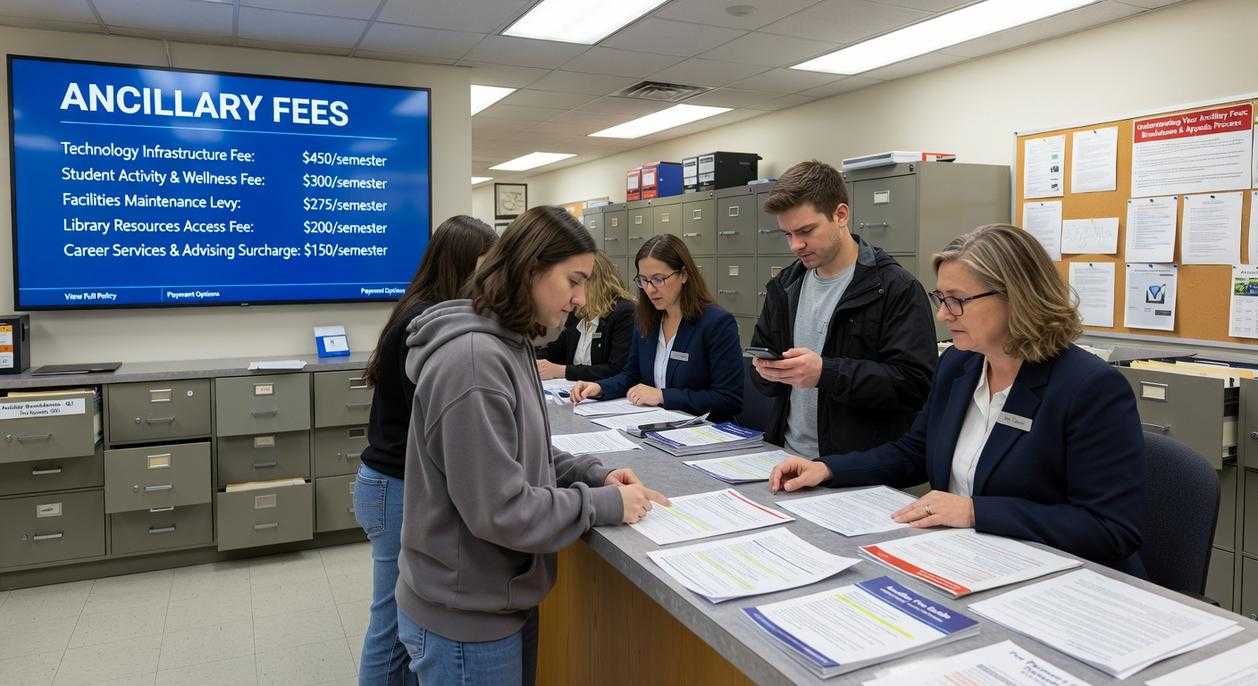
Let’s be honest. A $49 flight rarely costs $49. The difference between a “cheap” ticket and a genuinely good deal often comes down to strategy.
Here’s your five-step, apples-to-apples checklist.
Step 1: Compare Total Price vs. Base Fare
Airline A shows $79. Airline B shows $99. Sounds obvious, right? Not so fast. Once Airline A adds a $40 carry-on fee, Airline B may actually be cheaper. Use search tools that display total cost with bags included to avoid hidden airline fees.
Step 2: Personal Item vs. Carry-On
A backpack that fits under the seat: free. A roller bag for the overhead bin: $30–$60. On stricter carriers, that’s the whole game. Mastering minimalist packing can instantly tilt the math in your favor (think less “overpacker,” more “airport ninja”).
Step 3: Online Prepay vs. Airport Surprise
Paying for a checked bag during booking is almost always cheaper than at the airport counter. Airlines routinely charge more at the gate (and yes, they know you’re out of options).
Step 4: No Status vs. Cardholder Perks
Without loyalty status or a co-branded credit card, you pay per bag. With one, your first checked bag may be free. Over multiple trips, that adds up fast.
Step 5: Basic Economy vs. Standard Fare
Basic Economy might exclude seat selection, carry-ons, or changes. Standard fares often include flexibility. Before clicking “purchase,” read the fare rules carefully—because “basic” sometimes means very basic.
Fly Confidently and in Control of Your Budget
You came here to make sense of airline pricing—and now you understand the full landscape of hidden airline fees, from seat selection to baggage charges and everything in between.
Few travel frustrations compare to seeing a cheap fare double by checkout. It feels misleading, stressful, and completely out of your control. But the truth is, those extra costs are common—and preventable.
By using a simple booking checklist and reviewing every add-on before you pay, you turn the tables. Comparing the true final cost instead of the headline fare helps you avoid surprises and protect your travel budget.
Next time you book, don’t chase the lowest advertised price—calculate the real total. Take control, eliminate hidden airline fees, and fly knowing your budget won’t be blindsided.

 Shirley Farreliona is a passionate travel writer sharing practical tips, cultural insights, and inspiring stories that help travelers explore destinations smarter.