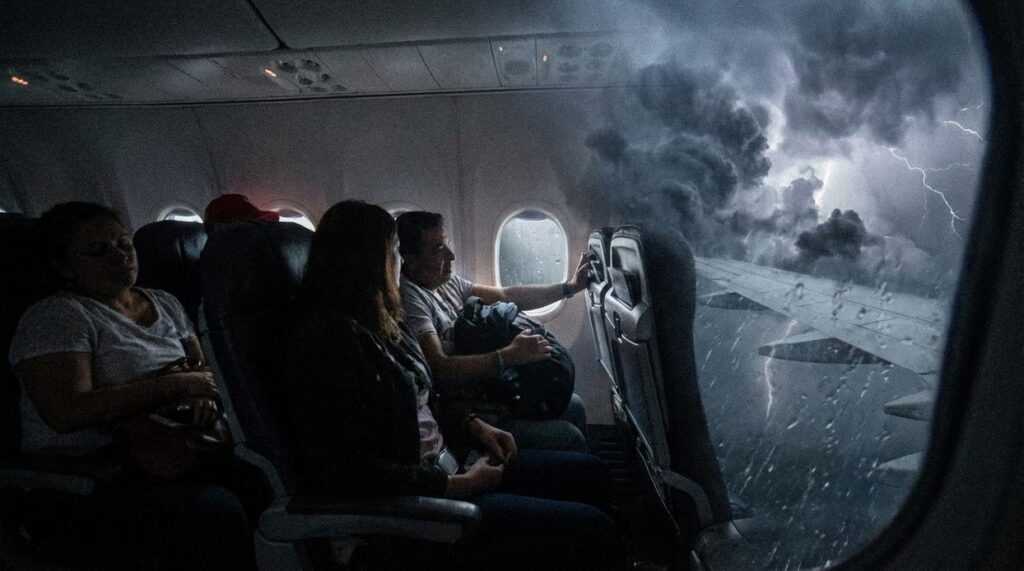
En Route Hazards: Navigating Thunderstorms and Turbulence
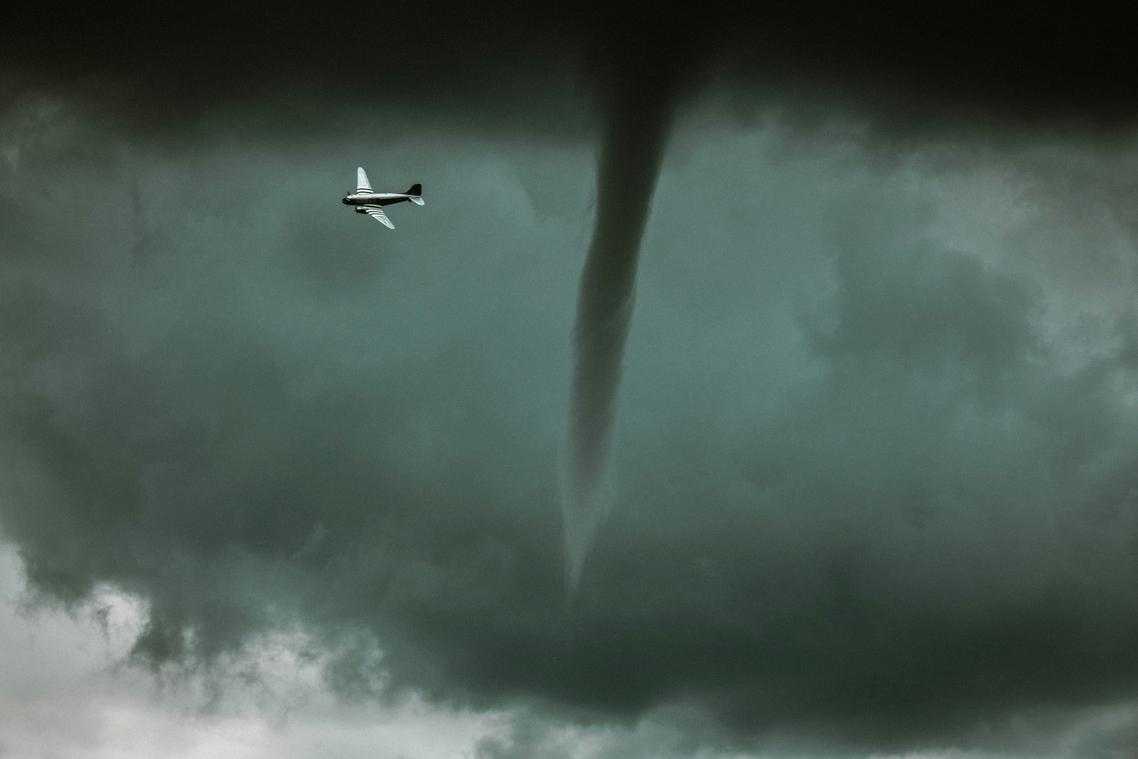
From the cockpit, thunderstorms aren’t vague gray blobs—they’re precise targets on onboard weather radar. This system sends radio waves forward and measures what bounces back, painting storm cells in color-coded intensity levels. Red and magenta mean heavy precipitation and possible hail. Green? Usually manageable rain. Pilots don’t aim for the lightest color and hope for the best—they reroute around the strongest returns, often by 20 miles or more (FAA guidance recommends wide berth for convective activity).
Here’s the myth: planes fly through storms to prove how tough they are. Reality? It’s avoidance, not endurance. Flying around a storm versus through it is like choosing a detour over a flooded road. Option A: minor delay. Option B: hail damage and extreme turbulence. Easy choice.
Turbulence, meanwhile, is simply irregular air movement. Light feels like small bumps. Moderate causes noticeable jolts. Severe can momentarily toss unsecured items. Aircraft are engineered and certified to withstand far greater stress than typical turbulence encounters (per Boeing and Airbus structural standards).
Pilots also rely on PIREPs—Pilot Reports—real-time ride updates from other crews. Think of it as crowd-sourced sky intel (Waze, but at 35,000 feet).
Pro tip: When reviewing your flight weather considerations, check turbulence forecasts alongside storm paths in your step by step guide to creating a stress free flight plan.
Flying with Confidence in Any Weather
Flying can feel unsettling when the forecast looks uncertain. Turbulent clouds, heavy rain, or winter frost often trigger one powerful emotion: fear of the unknown.
Now you understand the critical flight weather considerations—wind, storms, ice, and visibility—and the sophisticated systems used to monitor them. These aren’t last-minute guesses. They’re backed by radar technology, satellite data, advanced forecasting models, and highly trained aviation professionals who assess conditions long before departure.
Flight anxiety often grows from not knowing what’s happening behind the scenes. But every delay, reroute, or schedule adjustment reflects a layered safety process designed to protect you. When conditions aren’t ideal, the system responds exactly as it should.
The next time you experience a weather delay, remember: it’s proof that safety comes first. Trust the process, board with confidence, and let the system built around wind, storms, ice, and visibility carry you smoothly to your destination.