
If you’ve ever wondered why two seats on the same flight can have wildly different prices, baggage rules, and upgrade options, you’re in the right place. This guide to airline fare classes explained breaks down what those confusing letters and ticket types actually mean—and how they directly impact your flexibility, perks, and total travel cost.
Many travelers book based on price alone, only to discover too late that their ticket can’t be changed, upgraded, or refunded. Understanding fare classes helps you avoid surprise fees, maximize miles, and choose the right balance between savings and flexibility.
We’ve analyzed airline pricing structures, fare rules, and loyalty program policies across major carriers to give you clear, practical insights you can use immediately. In this article, you’ll learn how fare classes work, what each tier typically includes, and how to book smarter for your next trip.
Ever glanced at the single letter on your boarding pass and shrugged? That code is your fare class, and it controls your trip. It is rarely random either.
Why That Letter Matters
In simple terms, a fare class is a booking code that defines price, perks, and penalties. For example, “Y” often signals full-fare economy, while “N” might mean a discounted seat with restrictions. Consequently, two passengers in the same row can have different benefits.
| Code | Typical Meaning | Flexibility |
| Y | Full Economy | High |
| N | Discount Economy | Low |
Understanding airline fare classes explained helps you predict upgrades before you click buy.
What Are Fare Classes, Really? A Peek Behind the Curtain
To maximize your comfort and value during your travels, it’s essential to understand how airline fare classes impact your overall experience, which you can explore further in our article on ‘Understanding Flight Classes and Fare Types Before You Book‘.
Let’s pull back the curtain. A fare class is an internal code airlines use to manage seat inventory and pricing. In plain terms, it’s why two people in the same Economy row might have paid wildly different prices (yes, even if they booked minutes apart).
First, don’t confuse cabin class with fare class. Cabin class is where you sit: First, Business, or Economy. Fare class is the specific ticket type within that cabin. Think of it this way: everyone at a concert might stand in General Admission (the cabin), but some grabbed Early Bird tickets while others paid full price at the door. Same crowd, different deal.
So how does pricing climb? Airlines organize seats into “buckets,” a hierarchy system. The cheapest buckets open first. As they sell out, the system automatically moves to the next, pricier bucket—often with added perks like flexibility or bonus miles.
Here’s a practical tip: when booking, check the fare rules before paying. Look for refundability, change fees, and mileage earning rates. That’s airline fare classes explained in action.
Some argue fare systems are overly complicated. Fair point. But complexity lets airlines offer both budget steals and flexible options (capitalism with seat belts, basically).
A Traveler’s Guide to the Major Fare Buckets
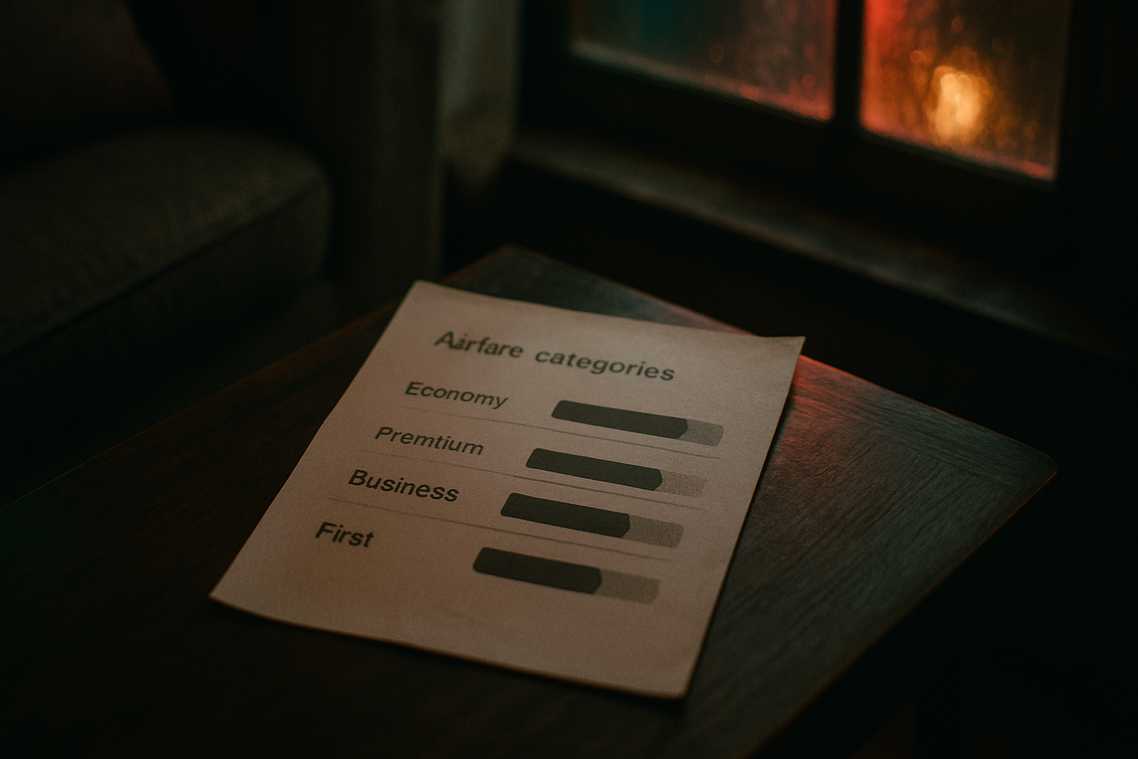
If you’ve ever wondered why two people sitting side by side paid wildly different prices, the answer lies in fare buckets. These letter-based codes determine price, flexibility, mileage earning, and upgrade priority. Understanding them is essentially having airline fare classes explained in the section that airlines rarely clarify themselves (and yes, they count on that confusion).
First Class (F, A, P)
- F: Full-fare, fully refundable ticket with maximum flexibility.
- A, P: Discounted or award First Class fares.
The benefit? Priority everything—check-in, boarding, upgrades, and generous change policies. While some argue First Class isn’t worth the premium, refundable flexibility alone can justify the cost for business travelers who may need last-minute changes.
Business Class (J, C, D, I, Z)
- J, C: Full-fare Business with maximum flexibility.
- D, I, Z: Discounted tiers with more restrictions.
Corporate travelers favor these buckets because they balance comfort and practicality. Lie-flat seats on long-haul routes can significantly reduce jet lag, according to sleep research published in the Journal of Clinical Sleep Medicine (2014). Critics say Business is “just a nicer seat,” but productivity and rest can translate into real performance gains.
Premium Economy (W, R)
- Separate cabin
- Extra legroom
- Enhanced meals and amenities
Think of it as the streaming-service “ad-free” tier of flying. You pay more than Economy, but far less than Business, while gaining measurable comfort improvements.
Economy Class (Y, B, M, H, K, L, Q, N, S, G, O)
Full-Fare Economy (Y, B)
Flexible, refundable, and highest upgrade priority.
Standard/Discounted Economy (M, H, K, etc.)
Moderate restrictions and standard mileage accrual.
Deep-Discount & Basic Economy (N, G, O, etc.)
Minimal flexibility, limited seat selection, and reduced earnings.
Some travelers insist the cheapest fare is always best. But is saving $50 worth losing change flexibility? Before booking, check when is the best time to book flights for maximum savings to maximize value without sacrificing benefits.
Pro tip: Always check upgrade eligibility tied to your fare bucket before purchasing.
How Your Fare Class Directly Impacts Your Journey
When booking a flight, most travelers focus on price and schedule. However, your fare class quietly shapes almost every part of your experience. Put simply, a fare class is the letter attached to your ticket (like Y or N) that tells the airline what rules apply to your seat. Understanding airline fare classes explained in practical terms can save you money—and frustration.
First and foremost, ticket flexibility and fees vary dramatically. For example:
- Higher fare classes (like Y) often allow free changes or cancellations.
- Lower fare classes (like N or Basic Economy) are typically non-refundable and may charge hefty change fees.
So, while a cheaper ticket looks appealing upfront, it can become expensive if your plans shift (and let’s be honest, they often do).
Next, consider frequent flyer mileage earning. Airlines reward higher fares with bonus miles—sometimes 150% or even 200% of miles flown. Meanwhile, deep-discount fares may earn as little as 25% or none at all, according to major U.S. airline loyalty program terms. If you’re chasing elite status, that difference adds up quickly.
In addition, upgrade priority depends heavily on fare class. After elite status, airlines typically prioritize passengers who paid more. That means a mid-tier elite traveler on a high fare often clears upgrades before a top-tier member on a rock-bottom ticket.
Finally, standby and same-day change privileges are frequently restricted to flexible fares. Basic Economy tickets are usually excluded.
Ultimately, your fare class isn’t just a letter—it’s the rulebook for your journey. Choosing wisely can mean smoother travel, better perks, and fewer surprises.
Booking Smarter: Putting Fare Class Knowledge to Work
If you’ve ever booked the cheapest ticket and regretted it later, you’re not alone. Focusing on price alone often means giving up flexibility, seat selection, upgrade eligibility, and even mileage earnings. In other words, you save upfront but lose control over your overall travel experience.
Fortunately, there’s a smarter approach. By understanding the fare class, you can balance cost with the specific benefits you need for that trip. Think of fare classes as booking codes—usually a single letter—that determine change rules, refundability, and rewards earning. When you look at airline fare classes explained, the differences become surprisingly practical.
So how do you find them? During checkout, click “Details” or “Fare Rules.” The booking code is typically listed there. Additionally, tools like Google Flights and ITA Matrix display fare classes more clearly before you pay.
Next time you search, look beyond the price. You’ll see the full value—and choose the ticket that truly fits your journey.
Make Smarter Booking Decisions Every Time
You came here looking for clarity on airline fare classes explained, and now you have it. What once felt confusing—random letters, changing prices, hidden restrictions—should finally make sense. Instead of guessing, you can confidently compare options, understand what you’re paying for, and avoid the frustration of booking the wrong ticket.
The truth is, choosing the wrong fare class can cost you more than money. It can mean lost flexibility, surprise baggage fees, or expensive change penalties. But when you understand how fare classes work, you stay in control of your travel plans and your budget.
Now it’s time to put that knowledge into action. Before your next trip, review fare rules carefully, compare benefits side by side, and book strategically—not emotionally. Travelers who take a few extra minutes to understand their options consistently save more and travel smarter.
Don’t let confusing ticket categories dictate your experience. Use what you’ve learned, book with confidence, and make every flight work for you—not against you.

 Shirley Farreliona is a passionate travel writer sharing practical tips, cultural insights, and inspiring stories that help travelers explore destinations smarter.