Packing shouldn’t feel like a battle between “just in case” and “I’ll make it work.” If you’ve ever paid unexpected baggage fees or realized too late that you forgot something essential, you know how stressful poor packing can be. This guide goes beyond generic checklists to give you a practical, proven system for packing smarter on any trip. Drawing from years of real-world travel experience across thousands of flights, these strategies are designed to help you save space, cut weight, and stay organized. You’ll learn actionable carry on packing tips that make every journey smoother before you even leave home.
The Foundation: Choosing the Right Luggage
To make the most of your carry-on strategy, be sure to check out how you can save on your ticket with a Ttweak airline discount code from Traveltweaks before you embark on your adventure – for more details, check out our Ttweakairline Discount Code From Traveltweaks.
Choosing luggage is a classic A vs. B decision.
Carry-On vs. Checked
A carry-on (a small bag stored in the overhead bin) saves baggage fees and time at claim. Ideal for short trips or travelers who swear by minimalist carry on packing tips. A checked bag (stored in the aircraft hold) makes sense for long journeys, bulky gear, or liquids over 100ml. Critics argue checked bags reduce airport stress (no wrestling for bin space), but delayed luggage remains common—U.S. airlines mishandled 2.8 million bags in 2022 (U.S. DOT).
Hard-Shell vs. Soft-Shell
- Hard-shell: Better impact resistance; ideal for fragile items.
- Soft-shell: Flexible, lighter, with exterior pockets for quick access.
Some travelers say hard-shell cracks under pressure. Quality polycarbonate models are designed to flex, not shatter.
The Non-Negotiables
Lightweight materials reduce strain.
360-degree spinner wheels mean effortless movement (your shoulders will thank you).
Before finalizing, review the ultimate packing checklist for international travel to match luggage with trip length.
The Blueprint: Creating a Strategic Packing List

The Power of a Checklist
A checklist is more than a to-do list—it’s a cognitive offload (a tool that frees up mental space). Studies from Johns Hopkins show checklists reduce errors in complex tasks by up to 30% (Gawande, The Checklist Manifesto). Travel is no different. Whether digital or handwritten, a master list prevents the classic “I forgot my charger” moment.
Most advice stops there. Here’s the gap: create a core list (essentials you always pack) and a context list (trip-specific items). This two-layer method adapts fast—ideal for last-minute flights.
The “Rule of Threes” Method
Pack three tops for every one bottom. Why? Versatility. Three shirts × one pair of pants = three outfits. Add neutral colors and you’ve multiplied options without multiplying weight (think capsule wardrobe, not fashion week).
Plan by Outfit, Not by Item
Lay outfits out by day or event before they touch your suitcase. This visual audit exposes “fantasy packing”—items you might wear but won’t.
Footwear First
Shoes dictate space. Cap it at three:
- Walking
- Dressy
- Casual
Build everything around them. Pro tip: wear the bulkiest pair on the plane.
Strategic systems like these elevate basic carry on packing tips into a repeatable travel advantage.
Mastering the Art of Space: Proven Packing Techniques
Packing a suitcase can feel like a high-stakes game of Tetris (and nobody wants to be the person sitting on their luggage to make it close). Fortunately, a few proven techniques make all the difference.
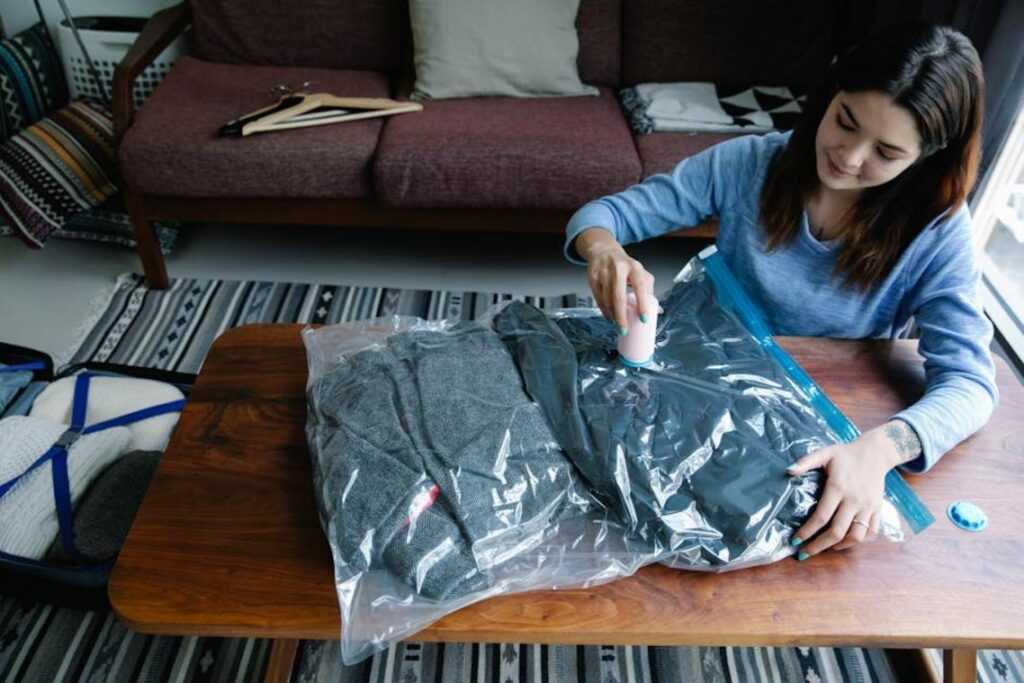
First, let’s talk about The Rolling Method. This approach works best for soft, wrinkle-resistant fabrics like t-shirts, knits, and casual pants. Instead of folding, roll each item tightly into a compact cylinder. Not only does this compress fabric and save space, but it also reduces creases by minimizing hard fold lines. Think of it as Marie Kondo meets airport security.
On the other hand, Strategic Folding is ideal for structured garments—blazers, button-down shirts, and dress pants. These items have built-in shape, so careful folding preserves their structure. Place them flat on top of rolled items to prevent crushing. It’s a bit like layering a lasagna: soft base, structured top.
Next comes The Magic of Packing Cubes. These zippered organizers compartmentalize your suitcase. You can group items by category—tops in one cube, undergarments in another—or even by outfit for grab-and-go convenience. As a result, you won’t unravel your entire bag searching for socks. (We’ve all been there.) Many frequent flyers swear by them in carry on packing tips for staying organized mid-flight.
Finally, Utilize Every Inch of Dead Space. Tuck socks, chargers, and small accessories inside shoes. Fill gaps and corners to stabilize your load. In the end, smart packing isn’t about bringing less—it’s about arranging better.
Packing your personal item isn’t just a last-minute task; it’s your in-flight safety net. First, build a “just-in-case” kit with one complete change of clothes. If your checked bag takes a detour (it happens more than airlines admit, according to U.S. DOT reports), you’ll still feel human when you land.
Next, safeguard critical documents and valuables. Passports, IDs, wallets, medications, and expensive jewelry should always stay within arm’s reach. Lost luggage claims can take days to resolve, so keeping essentials with you prevents unnecessary stress.
Then, organize your tech and entertainment. Store devices, chargers, and a portable power bank together, and download movies, shows, or books before departure. Airport Wi-Fi can be unreliable at 30,000 feet, so offline access is a lifesaver—think of it as your own streaming Plan B.
For comfort, pack a TSA-compliant 3-1-1 toiletry bag with travel-sized basics like a toothbrush, face wash, and moisturizer. Add an eye mask or compact travel pillow to rest easier on long hauls.
Finally, review practical carry on packing tips and keep everything accessible. A well-packed personal item turns delays into minor inconveniences instead of full-blown travel nightmares. Pro tip: stash snacks to avoid overpriced airport impulse buys and midflight hunger.
Arrive Prepared and Ready for Anything
You set out to master the art of packing—and now you have the tools to do it with confidence. With the right luggage, a smart checklist, and proven carry on packing tips, you can finally leave behind the stress of overstuffed bags, forgotten essentials, and costly baggage fees. A simple, repeatable system turns packing from a last-minute scramble into a smooth, reliable routine that sets the tone for a better trip.
Don’t let poor planning disrupt your next journey. Put these strategies into action today and travel lighter, smarter, and with total peace of mind on every flight you take.

 Gavren Vosswyn writes the kind of airline booking tips and destinations content that people actually send to each other. Not because it's flashy or controversial, but because it's the sort of thing where you read it and immediately think of three people who need to see it. Gavren has a talent for identifying the questions that a lot of people have but haven't quite figured out how to articulate yet — and then answering them properly.
They covers a lot of ground: Airline Booking Tips and Destinations, Travel Horizon Headlines, Hidden Gems, and plenty of adjacent territory that doesn't always get treated with the same seriousness. The consistency across all of it is a certain kind of respect for the reader. Gavren doesn't assume people are stupid, and they doesn't assume they know everything either. They writes for someone who is genuinely trying to figure something out — because that's usually who's actually reading. That assumption shapes everything from how they structures an explanation to how much background they includes before getting to the point.
Beyond the practical stuff, there's something in Gavren's writing that reflects a real investment in the subject — not performed enthusiasm, but the kind of sustained interest that produces insight over time. They has been paying attention to airline booking tips and destinations long enough that they notices things a more casual observer would miss. That depth shows up in the work in ways that are hard to fake.
Gavren Vosswyn writes the kind of airline booking tips and destinations content that people actually send to each other. Not because it's flashy or controversial, but because it's the sort of thing where you read it and immediately think of three people who need to see it. Gavren has a talent for identifying the questions that a lot of people have but haven't quite figured out how to articulate yet — and then answering them properly.
They covers a lot of ground: Airline Booking Tips and Destinations, Travel Horizon Headlines, Hidden Gems, and plenty of adjacent territory that doesn't always get treated with the same seriousness. The consistency across all of it is a certain kind of respect for the reader. Gavren doesn't assume people are stupid, and they doesn't assume they know everything either. They writes for someone who is genuinely trying to figure something out — because that's usually who's actually reading. That assumption shapes everything from how they structures an explanation to how much background they includes before getting to the point.
Beyond the practical stuff, there's something in Gavren's writing that reflects a real investment in the subject — not performed enthusiasm, but the kind of sustained interest that produces insight over time. They has been paying attention to airline booking tips and destinations long enough that they notices things a more casual observer would miss. That depth shows up in the work in ways that are hard to fake.