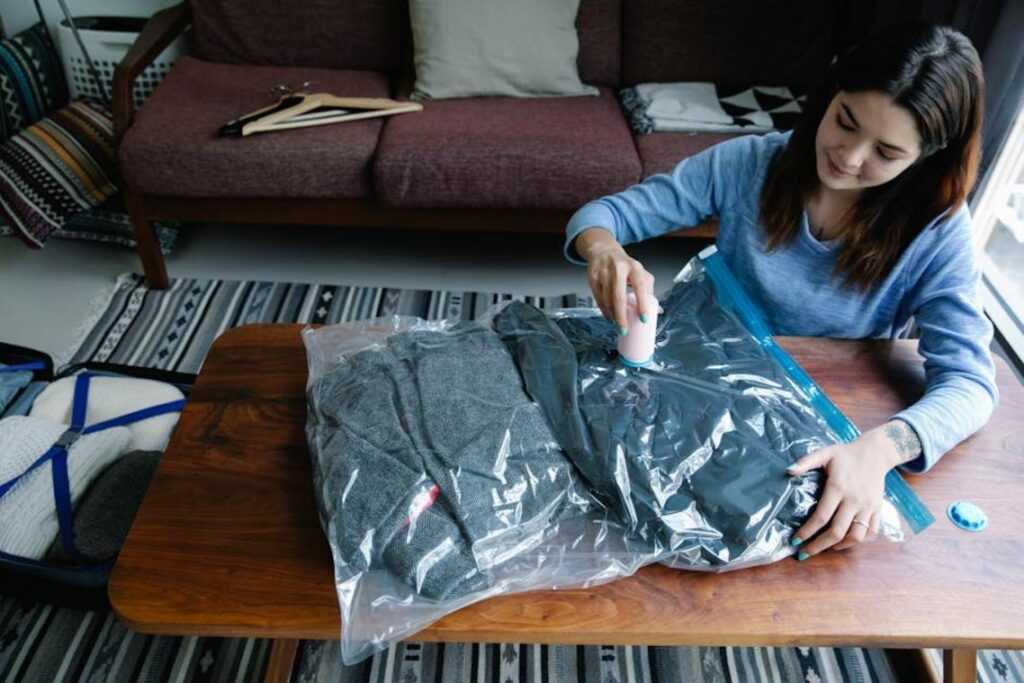
You’ve found the perfect souvenir or need to bring a delicate heirloom home—but the idea of it rattling around in checked luggage is nerve-wracking. Too often, travelers wrap valuables in a sweater, hope for the best, and unpack shattered pieces at their destination. This guide eliminates the guesswork. If you’re searching for a reliable, step-by-step method for packing fragile items in luggage, you’re in the right place. We break down proven, field-tested techniques—from choosing the right suitcase to layering and cushioning like a pro—so your valuables arrive exactly as they left: safe, secure, and intact.
Your First Line of Defense: Why Hard-Shell Luggage Wins
Before you embark on your journey and secure your tickets with Ttweakairline, make sure to learn the best techniques for packing fragile items safely in your luggage to avoid any unfortunate breakages during your travels – for more details, check out our Tickets Discount Ttweakairline.
When it comes to Hard-Shell vs. Soft-Shell, the difference is simple: structure versus stretch. Hard-shell luggage—typically made from polycarbonate (a durable, impact-resistant plastic) or aluminum—acts like a helmet for your belongings. In contrast, soft-shell bags rely on fabric that flexes under pressure. That flexibility may help you squeeze into overhead bins, but it also means less protection when bags are stacked or dropped (and let’s be honest, they will be dropped).
Anatomy of a Protective Suitcase
Not all hard cases are equal. Look for reinforced corners that absorb shock, a rigid frame that resists compression, and quality latches or zippers designed to prevent burst openings. These features work together as a defensive system.
The Center-Core Advantage
Because hard-shell walls don’t collapse inward, they create a stable middle “safe zone.” This structure is ideal for packing fragile items in luggage without fear of crushing. For more smart prep tips, see travel essentials you should never forget on long flights.
Mastering the “Buffer and Float” Packing Method
When it comes to packing fragile items in luggage, the real goal is simple: prevent contact with hard surfaces and eliminate movement. The “Buffer and Float” method does exactly that by isolating your item from all six sides of your suitcase. Think of it as creating a protective bubble inside your bag (because turbulence doesn’t care how sentimental your souvenir is).
Step 1 – The Buffer Wrap
Start with a soft inner layer. Use tissue paper for delicate finishes like glass, ceramics, or polished metal. This prevents scratches. Next, add a thick, shock‑absorbing layer such as bubble wrap or foam. The outer layer absorbs impact energy—similar to how helmets reduce force during a fall (CDC explains that cushioning materials reduce injury by absorbing kinetic energy). Secure everything firmly with packing tape so it doesn’t unravel mid‑journey.
Pro tip: Wrap in multiple directions to reinforce weak corners.
Step 2 – The Float Zone
Create a dense base using soft, structured clothing like jeans, sweaters, or towels. Avoid flimsy fabrics; density matters. Place the wrapped item in the exact center of your suitcase. This positioning minimizes exposure to external pressure points.
Step 3 – The Final Cushion
Pack tightly around all four sides with more dense clothing. Then add a thick layer on top. The objective is zero empty space. If the item can shift, it can break (physics is unforgiving like that).
A properly floated item should feel locked in place when you gently shake the suitcase. If nothing moves, you’ve done it right.
Smart Hacks for Specific Breakables
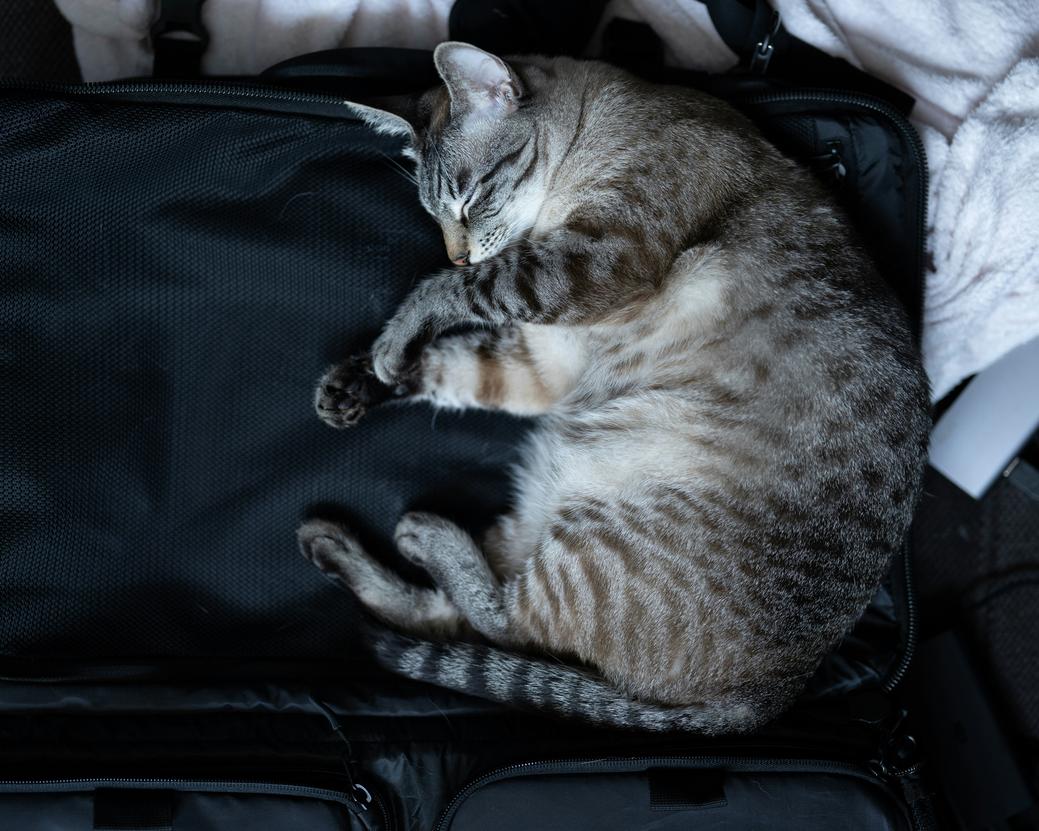
When it comes to packing fragile items in luggage, strategy beats luck every time. Let’s break it down by item type so you can pack with confidence—not crossed fingers.
Packing Glass Bottles (Wine, Spirits, Perfume)
First, define your goal: contain impact and control leaks. Dedicated bottle sleeves or inflatable protectors are ideal because they create a cushioned air barrier. However, if you’re improvising, slip the bottle into a thick sock, then seal it inside a plastic bag to contain spills. After that, use the “Buffer and Float” method—surround the bottle with soft layers and position it in the center of your suitcase, away from hard edges. For example, nestling a wine bottle between rolled sweaters keeps it suspended instead of rattling against your shoes. Pro tip: place bottles near the wheel base of carry-on luggage, where movement is often steadier.
Securing Ceramics and Glassware (Vases, Mugs)
Next, eliminate empty internal space. Hollow items are prone to stress fractures (tiny cracks caused by vibration). Firmly stuff socks or soft cloths inside to absorb shock from within. Then wrap handles or thin rims separately before completing the outer cushion wrap. Think of it like bubble-wrapping a coffee mug handle before the mug itself—small detail, big difference.
Protecting Picture Frames and Flat Art
Before wrapping, apply painter’s tape in a large “X” across the glass. This minimizes shard scatter if breakage occurs. Add cardboard corner protectors, then wrap in clothing for padding.
Transporting Oddly-Shaped Items
Finally, use a sturdy secondary box. Fill gaps with crumpled paper, seal it, and float the box at the center of your luggage. This layered defense keeps delicate parts intact—even if your suitcase takes a tumble.
Working With the System: Labeling and Airline Communication
The “Fragile” Sticker Debate
Think of a “Fragile” sticker like a yellow traffic light. It doesn’t slam the brakes for everyone—but it makes people pause. Critics argue baggage systems are automated and rushed, so labels barely matter. Fair. Conveyor belts don’t read stickers. But handlers do. Many take pride in their work, and a visible label can nudge that extra moment of care (especially on oddly shaped bags). Since they’re free, apply them to multiple sides for visibility—like putting reflectors on a bike.
Communicating at the Check-In Desk
A polite request works like adding a note to a file folder: it signals importance. When checking in, mention you’ve handled packing fragile items in luggage carefully and ask if a special tag can be added.
Understanding Airline Liability
Airline liability for fragile goods is often limited—think of it as basic insurance, not full coverage. For irreplaceable items, consider:
- Carry-on when possible
- Professional courier services
(Pro tip: Always photograph contents before travel.)
Arrive with Confidence and Your Valuables Intact
Travel shouldn’t end with anxiety at the baggage carousel. By pairing a durable hard-shell suitcase with the meticulous “Buffer and Float” method, packing fragile items in luggage becomes a predictable science instead of a risky gamble. No more bracing yourself for bad news when you unzip your bag—your valuables stay protected, cushioned, and intact.
You set out to find a safer way to travel with delicate belongings, and now you have a strategy that works. Don’t let fear limit what you bring home or take with you. Use this approach on your next trip and travel with total confidence—your valuables deserve nothing less.

 Gavren Vosswyn writes the kind of airline booking tips and destinations content that people actually send to each other. Not because it's flashy or controversial, but because it's the sort of thing where you read it and immediately think of three people who need to see it. Gavren has a talent for identifying the questions that a lot of people have but haven't quite figured out how to articulate yet — and then answering them properly.
They covers a lot of ground: Airline Booking Tips and Destinations, Travel Horizon Headlines, Hidden Gems, and plenty of adjacent territory that doesn't always get treated with the same seriousness. The consistency across all of it is a certain kind of respect for the reader. Gavren doesn't assume people are stupid, and they doesn't assume they know everything either. They writes for someone who is genuinely trying to figure something out — because that's usually who's actually reading. That assumption shapes everything from how they structures an explanation to how much background they includes before getting to the point.
Beyond the practical stuff, there's something in Gavren's writing that reflects a real investment in the subject — not performed enthusiasm, but the kind of sustained interest that produces insight over time. They has been paying attention to airline booking tips and destinations long enough that they notices things a more casual observer would miss. That depth shows up in the work in ways that are hard to fake.
Gavren Vosswyn writes the kind of airline booking tips and destinations content that people actually send to each other. Not because it's flashy or controversial, but because it's the sort of thing where you read it and immediately think of three people who need to see it. Gavren has a talent for identifying the questions that a lot of people have but haven't quite figured out how to articulate yet — and then answering them properly.
They covers a lot of ground: Airline Booking Tips and Destinations, Travel Horizon Headlines, Hidden Gems, and plenty of adjacent territory that doesn't always get treated with the same seriousness. The consistency across all of it is a certain kind of respect for the reader. Gavren doesn't assume people are stupid, and they doesn't assume they know everything either. They writes for someone who is genuinely trying to figure something out — because that's usually who's actually reading. That assumption shapes everything from how they structures an explanation to how much background they includes before getting to the point.
Beyond the practical stuff, there's something in Gavren's writing that reflects a real investment in the subject — not performed enthusiasm, but the kind of sustained interest that produces insight over time. They has been paying attention to airline booking tips and destinations long enough that they notices things a more casual observer would miss. That depth shows up in the work in ways that are hard to fake.